Question 1
Haven't done it yetあの 先生は わかいです。
Page 2
Only administrators see this. Unlocks until you close the tab, so you can review the other levels’ content.
Create a free account to start the JLPT programme and keep all your progress.
Bilingual articles stay free to read, no account needed.
Listen to the real recording then choose the answer, click check to know right or wrong immediately; Each sentence has its own playback button, with Japanese dialogue, Vietnamese translation and explanation.
日本語能力試験ドリル
凡人社編集部 編
短期マスター 日本語能力試験ドリル N5 · 凡人社
The audio includes an introduction, 8 instructions and 37 questions. Total duration 34:28.
文字・語彙: 13 minutes · 文法・読解: 25 minutes · 聴解: 15 minutes. The practice test has about half the questions of the full test.
Choose the hiragana reading of the underlined word.
あの 先生は わかいです。
あした えいがかんは 休みです。
このセーターは 二千九百えんでした。
すみません、お金を わすれました。
毎日 こうえんを さんぽします。
右がわに としょかんが あります。
この しごとは 時間が かかります。
はしの うえで 電車が とまりました。
この なかで いちばん 安いのは どれですか。
あねに こどもが 生まれました。
らいげつ 友だちが にほんに あそびに 来ます。
いしかわさんは いつも えいごのCD を 聞いています。
この クラスは 女の子が おおいです。
水よう日の じゅぎょうは ありません。
すみません、もっと 長い コートは ありませんか。
きのうは えきに 人が たくさん いました。
この くるまは 四年前に かいました。
わたしの いぬは 耳が ちゃいろです。
Choose the correct spelling of the underlined word.
ことしの なつは やまへ いきます。
ほっかいどうは にほんの きたに あります。
この テーブルは ごまんえんでした。
へやに しゃわーは ありますか。
となりの いえの ねこは あしが くろいです。
えいがかんで おもしろい えいがを みました。
わたしの すんでいる まちは みせが すくないです。
こんど、いっしょに れすとらんに 行きましょう。
さとうさんは いろいろな みちを しっています。
この へやに はいらないで ください。
きょうしつは 9 かいですから、えれべーたーに のりましょう。
スーパーで ケーキを かってきたよ。
Choose the appropriate word to fill in the blanks.
タクシーを( )ください。
いもうとは あかい ぼうしを( )。
「さようなら。( )あした。」
めが わるいですから、( )を かけます。
わたしは あさ シャワーを( )。
まいにち( )にほんごの べんきょうを しますか。
はしを( )、かいものに いきます。
この( )は、あまいですか。
かぜで( )に いきました。
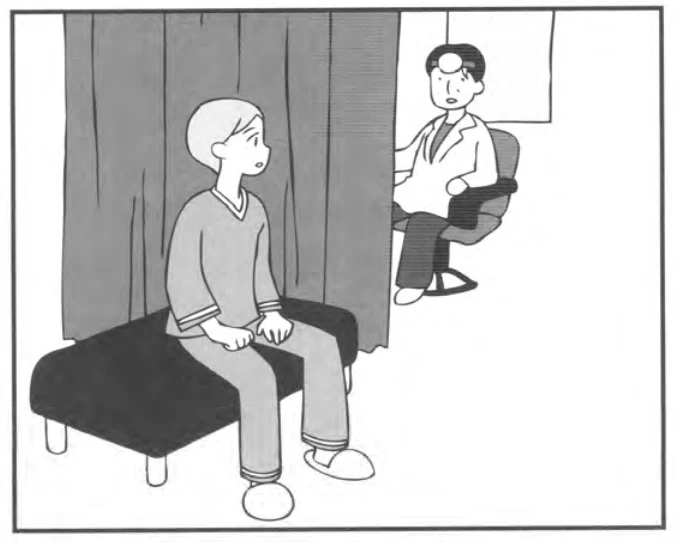
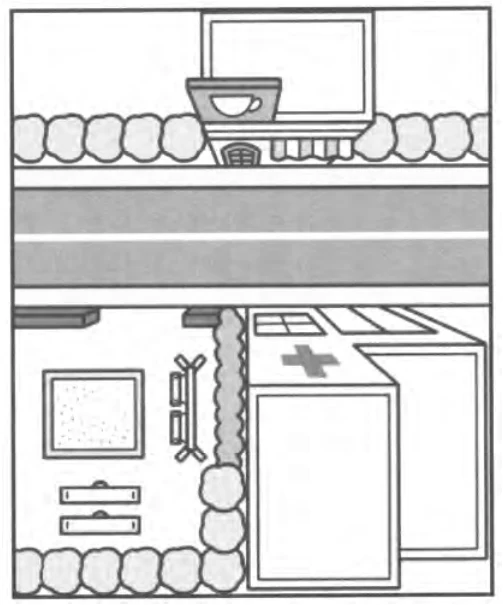
こうえんの( )に きっさてんが あります。
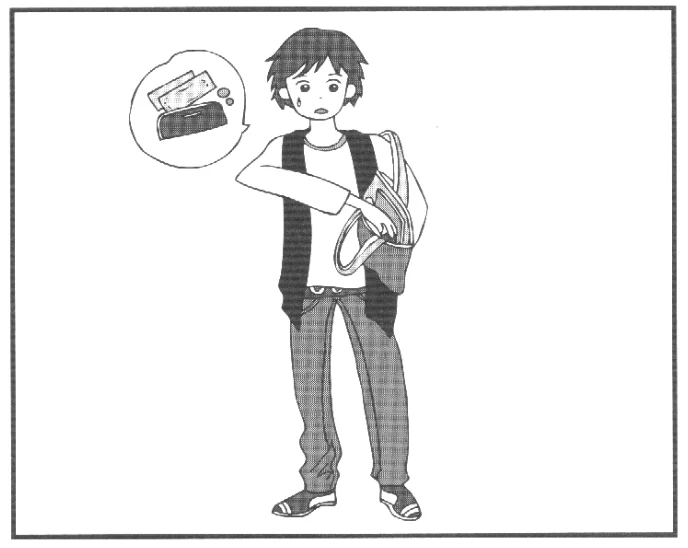
さいふを( )かもしれません。
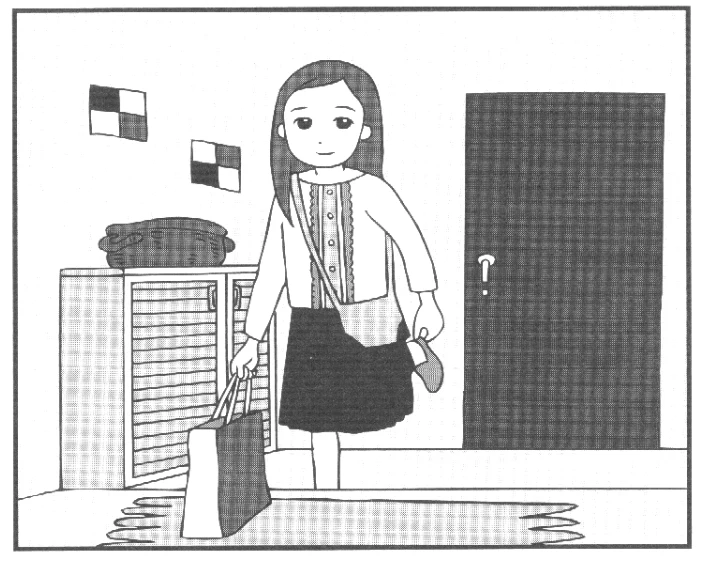
げんかんで くつを( )ください。
こうえんで( )の しゃしんを とりました。
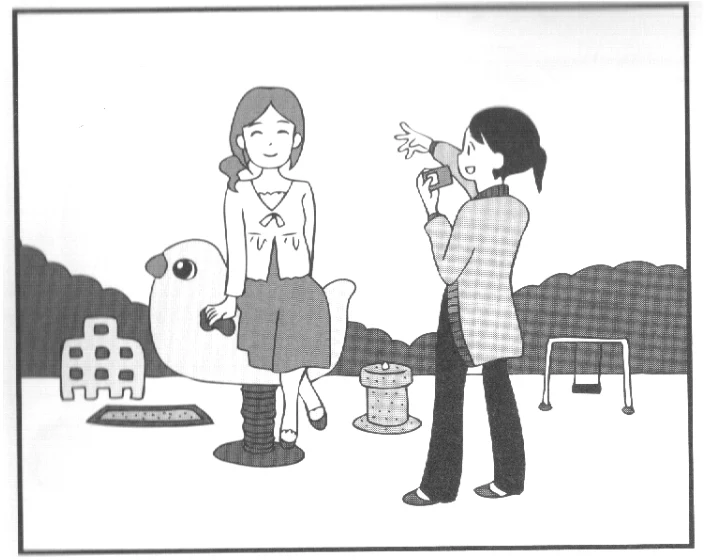
A「ひるごはんを いっしょに たべませんか。」 B「はい。でも、( )から たべたいです。」
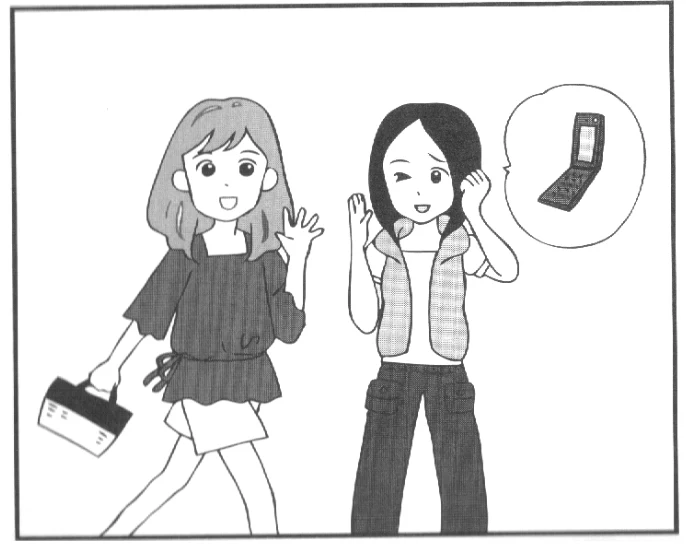
( )ですね。でんきを つけましょう。
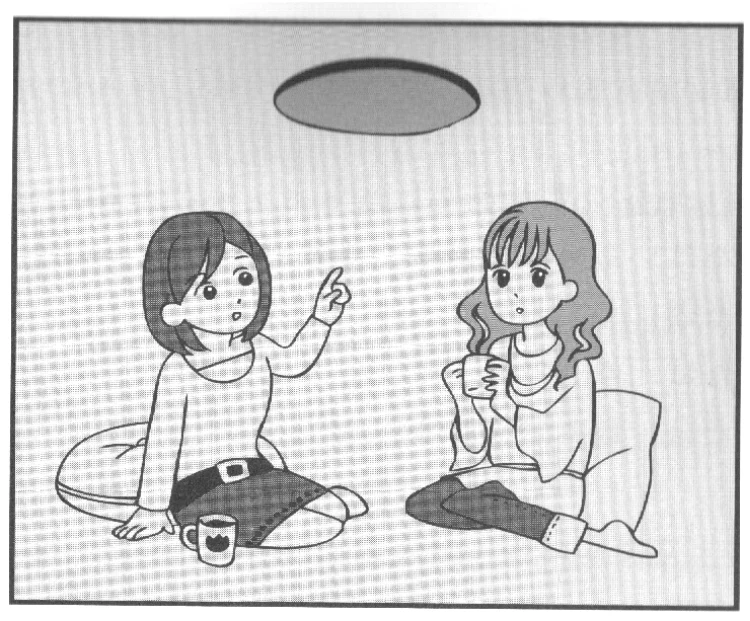
Choose the sentence that is closest in meaning to the underlined sentence.
あしたは いい てんきでしょう。
わたしは くだものを かいました。
こばやしさんは すずきさんに ほんを かりました。
10がつ 11にちは わたしの たんじょうびです。
あのひとは たなかさんの おじさんです。
きのう そうじを しました。
あさって、しごとを やすみます。
Choose the word or grammatical pattern that fits the blank.
えいがかん( )どこに ありますか。
クラスで( )が あなたと おなじ たんじょうびですか。
あの 店は( )安いです。
わたしの 生まれた まちは( )しずかな いい ところです。
へやの テーブルの 上に きれいな 花( )。
けさ わたしは あさごはんを( )しごとに 行きました。
父は せが ひくいですが、あに( )高いです。
子どもの とき よく うみ( )いもうとと およぎました。
これは ぶたにくで、それ( )ぶたにくです。
おかしを( )ながら しゅくだいを しました。
毎日 学校に( )前に いぬの さんぽを します。
わたしは まいばん 子どもが( )あとで テレビを 見ます。
これは 先週 あねが デパートで( )かばんです。
わたしは よく としょかん( )しんぶんを 読みに 行きます。
ばんごはんの 時間を もっと( )しませんか。
いもうとは、スプーン( )ごはんを 食べている。
「ラフレシア」( )いう 花を しっていますか。
へやが( )なりました。
まいあさ 7時( )おきます。
うちから 会社まで 電車で( )ですか。
つくえの 上に てがみが おいて( )。
あまり おなかが すいて いませんでしたから、スープ( )飲みませんでした。
話が ありますから、まだ( )ください。
もう すこし( )書いて ください。
Arrange all four parts into correct sentences, then choose the part in position ★.
A 「あたらしい ___ ___ ★ ___ か。」 B 「これです。」
れいぞうこに くだもの ___ ★ ___ ___ が あります。
目の 中に ___ ___ ★ ___ です。
土よう日に、デパート ___ ___ ★ ___。
佐藤さんは、___ ★ ___ ___ 人です。
休みの 日には 本を ___ ___ ★ ___。
わたしの ___ ___ ★ ___。
Read the passage and choose answers for boxes 1–5.
ナンシーさんと ワンさんは あした じこしょうかいを します。二人は じこしょうかいの ぶんしょうを 書きました。
(1)
みなさん、こんにちは。ナンシーです。イギリスから 1。
わたしは うたが 好きです。英語の うたも 日本語の うたも 好きです。でも、日本語
の うたは あまり 2。
みなさんは、どんな うたが 好きですか。
わたしは カラオケへ 行きたいです。みなさん、わたしと いっそに カラオケへ 3。ど
うぞ よろしく おねがいします。
Hello everyone, I'm Nancy. I [1] am from England. I like singing, both English and Japanese songs. But I don't [2] really like Japanese lessons. How do people like the song? I want to go to karaoke. Everyone [3] will you go to karaoke with me? Looking forward to your help.
(2)
こんにちは。はじめまして。ワンです。
中国で すこし 日本語を べんきょうしました。ひらがなは ぜんぶ おぼえました。
でも、カタカナは まだ ぜんぶ わかりません。
来週から、わたしは 毎日、午後、レストランで はたらきます。レストランは ここか
ら ちかいです。
4、レストランの りょうりは 安くて おいしいです。みなさん、レストランへ 5。ど
うぞ よろしく おねがいします。
Hello, nice to meet everyone. I'm Wang. I studied a little Japanese in China. I have memorized all the hiragana but still don't know all the katakana. From next week, I will work at the restaurant every afternoon. Restaurants are nearby. [4], the food at the restaurant is cheap and delicious. Everyone, please [5] the restaurant. Looking forward to your help.
空欄 1 に 入る ものを 選んでください。
空欄 2 に 入る ものを 選んでください。
空欄 3 に 入る ものを 選んでください。
空欄 4 に 入る ものを 選んでください。
空欄 5 に 入る ものを 選んでください。
Read the passage and then choose the best answer for each question.
日本語のクラス
日本語の クラスは 月よう日と 木よう日と 土よう日です。
月よう日の ひるの クラスは、はじめての 人の クラスです。よるの クラスは、少し
べんきょうした 人の クラスです。木よう日の よるの クラスは、はじめての 人の
クラスです。土よう日の ひるは、どちらの クラスも あります。
Japanese class
Japanese classes are held on Mondays, Thursdays and Saturdays. Monday day class for beginners. Evening classes are for people who have studied a little. Thursday evening class for beginners. Saturday sessions have both types of classes.
はじめての 人の クラスは いつですか。
Read the passage and then choose the best answer for each question.
A 「すみません、北山びょういんは どこですか。」
B 「北山びょういんですね。この 道を まっすぐ 行って ください。コンビニが あ
りますから、右に まがって ください。まがってから 5分ぐらいで こうえんが あり
ます。びょういんは、こうえんの となりです。」
A 「ここから コンビにまで どのくらいですか。」
B 「10分くらいです。」
A: Where is Kitayama Hospital?
B: Kitayama Hospital? Let's go straight this way. When you get to the convenience store, turn right. Go about 5 minutes after turning and you will see the park. The hospital is located next to the park.
A: How long does it take from here to the convenience store?
B: About 10 minutes.
ただしい こたえは どれですか。
Read the passage and then choose the best answer for each question.
キャロルさんが ウイさんに 手紙を 書きました。
ウイさん
今日は ノートを ありがとう。
ウイさんに かりた ノートは 来週 かえします。
また いっしょに ひるごはんを 食べましょう。
キャロル
Oh dear,
Thank you for lending your notebook today. Next week I will return the notebook I borrowed from you. Next time let's have lunch together.
Carol
キャロルさんは 来週 どうしますか。
Read the passage and then choose the best answer for each question.
わたしの うちは ジャカルタに あります。かぞくは、父と 母と あにと いもうとで
す。父は 学校の 先生です。母は いしゃです。わたしは 父と 母と いもうとと す
んでいます。あには オーストラリアに います。
My house is in Jakarta. My family has father, mother, brother and sister. Dad is a teacher, mother is a doctor. I live with my father, mother and younger sister. My brother is in Australia.
わたしの うちに だれが いますか。
Read the passage and then choose the best answer for each question.
ミリアさんの うちは にぎやかな まちの 中に あります。
ミリアさんの うちの となりに パンやが ありますから、ミリアさんは 毎日 おいし
い パンを 買います。ちかくに びょういんも ぎんこうも あります。とても べんりな
ところです。
日よう日、ミリアさんの うちで パーティーを します。ウォンさん、ロボックさん、ト
ビンさんが 来ます。キムさんは りょこうしますから 来ません。パーティーで ミリアさ
んは 魚の りょうりを つくります。ウォンさんと トビンさんは とりにくの りょう
りを つくります。ロボックさんは りょうりが できませんから、ケーキを 買います。
Miria's house is located in a bustling neighborhood. Because there is a bakery next door, Miria buys delicious bread every day. Near the house there is also a hospital and bank. This is a very convenient place.
Sunday there will be a party at Miria's house. Won, Robok and Tobin will come. Kim was traveling so she didn't come. During the party, Miria cooked fish. Won and Tobin cook chicken. Robok doesn't know how to cook so he buys cakes.
つぎの 中で、ミリアさんの うちから いちばん ちかい みせは どれですか。
だれが パーティーに 来ませんか。
Read the passage and then choose the best answer for each question.
おいしい やさいの レストランが 今週の 金よう日の よるに はじまります!
ケーキも やさいです。
金よう日のよると 土よう日の よるは、おにくの りょうりも あります。
土よう日の ひるに ケーキを プレゼントします。
日よう日の よるは お休みです。
Delicious vegetable restaurant will open this Friday night! Cakes are also made from vegetables. Friday and Saturday nights also feature meat dishes. The restaurant gives away cakes during the day on Saturday. Sunday night off.
ケーキが ほしい 人は いつ 行きますか。
もんだい1では はじめに、しつもんを きいて ください。それから はなしを きいて、もんだいようしの 1から4の なかから、いちばん いいものを ひとつ えらんで ください。
Listen to the question first, then listen to the conversation and choose the best answer from options 1–4.
※実際の試験では、問題の前に練習があります。
Note in the book: in the actual exam, before the questions there are sample exercises.
Track 02 · Instructions part 1
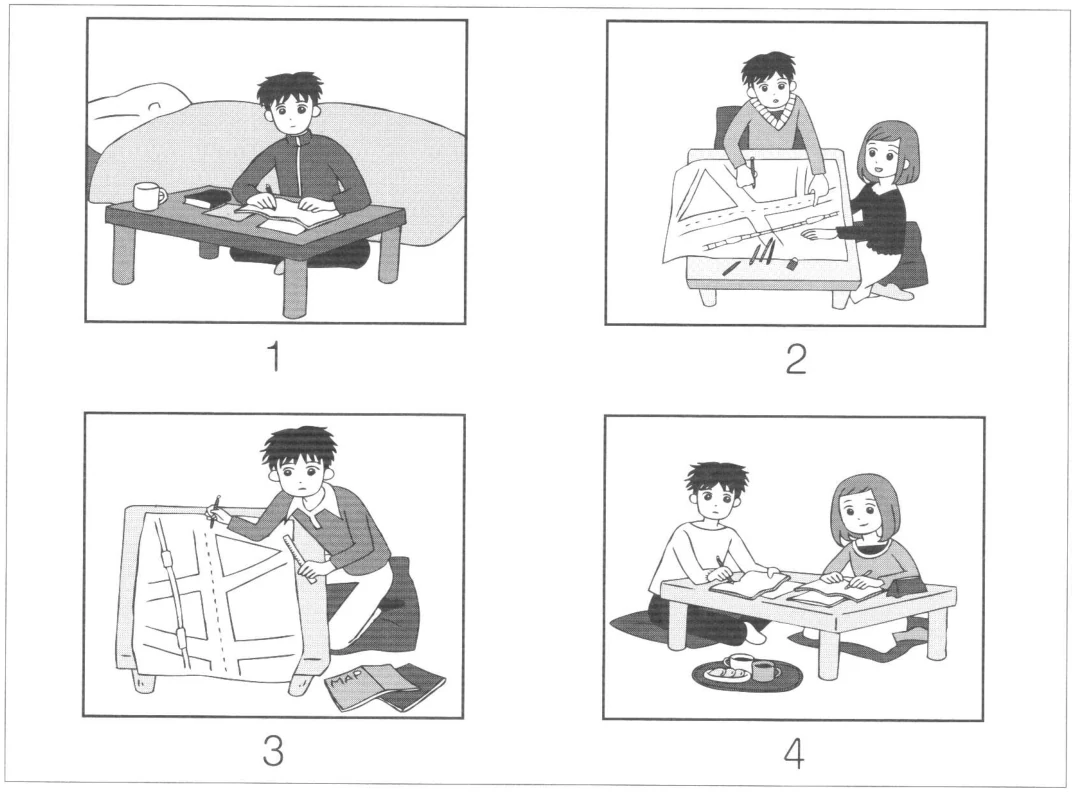
学生が話しています。男の人はこれから何をしますか。
The students are talking. What will the man do next?
F:鈴木君、もう宿題はやった?
Woman: Suzuki, have you finished your homework?
M:うん、終わったよ。林さんは?
Nam: Yes, it's done. What about Hayashi?
F:もう少し。地図が難しくて…。
Woman: Just a little more. The map is so difficult…
M:じゃあ、一緒にやるよ。
Nam: Then I'll work with you.
F:本当? ありがとう!
Woman: Really? Thank!
男の人はこれから何をしますか。
What will the man do next?
Dialogue: appendix in the book, page 5. M: male voice · F: female voice. Vietnamese translation used for studying.
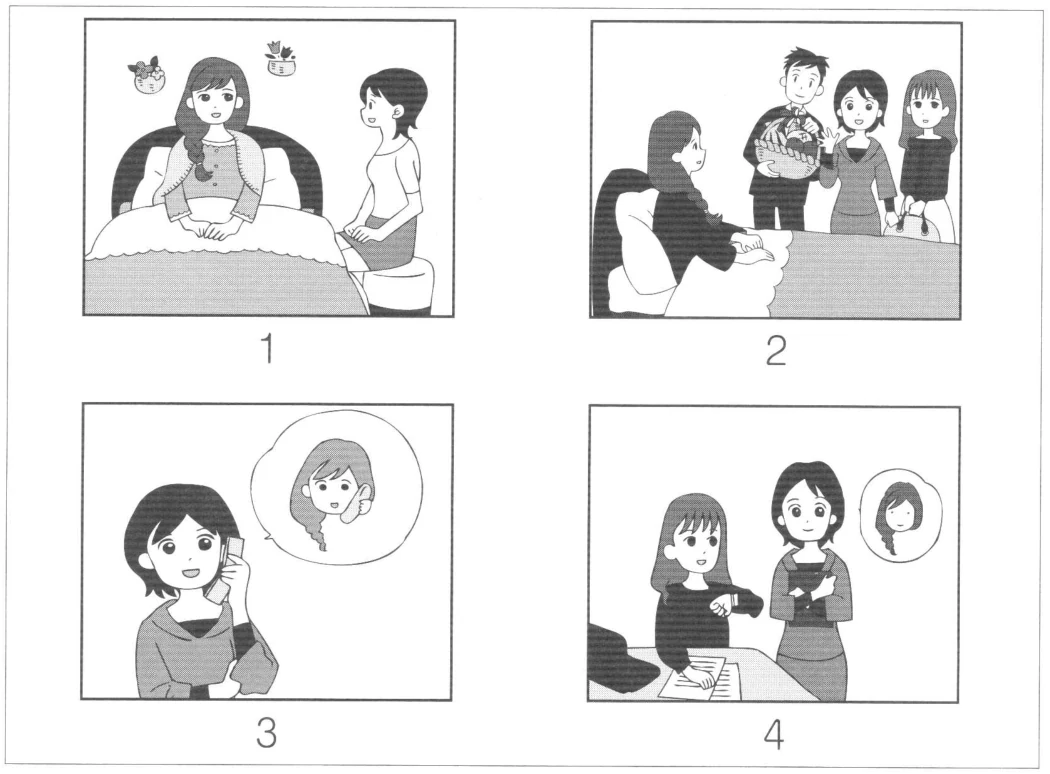
男の人と女の人が話しています。女の人はこれから何をしますか。
A man and a woman are talking. What will the woman do next?
M:田中さん、今日病気でお休みですよ。
Nam: Mr./Ms. Tanaka is off today because he is sick.
F:え、そうですか。大丈夫でしょうか。
Woman: So what? I don't know if it's okay.
M:私もよくわかりません。今日、仕事が終わってから、みんなで田中さんのうちに行きませんか。
Nam: I don't know either. After we're done today, let's all go to Tanaka's house, okay?
F:そうですね。じゃあ、ほかの人にも聞きますね。
Female: Okay. Then I will ask others too.
女の人はこれから何をしますか。
What will the woman do next?
Dialogue: appendix in the book, pages 5–6. M: male voice · F: female voice. Vietnamese translation used for studying.
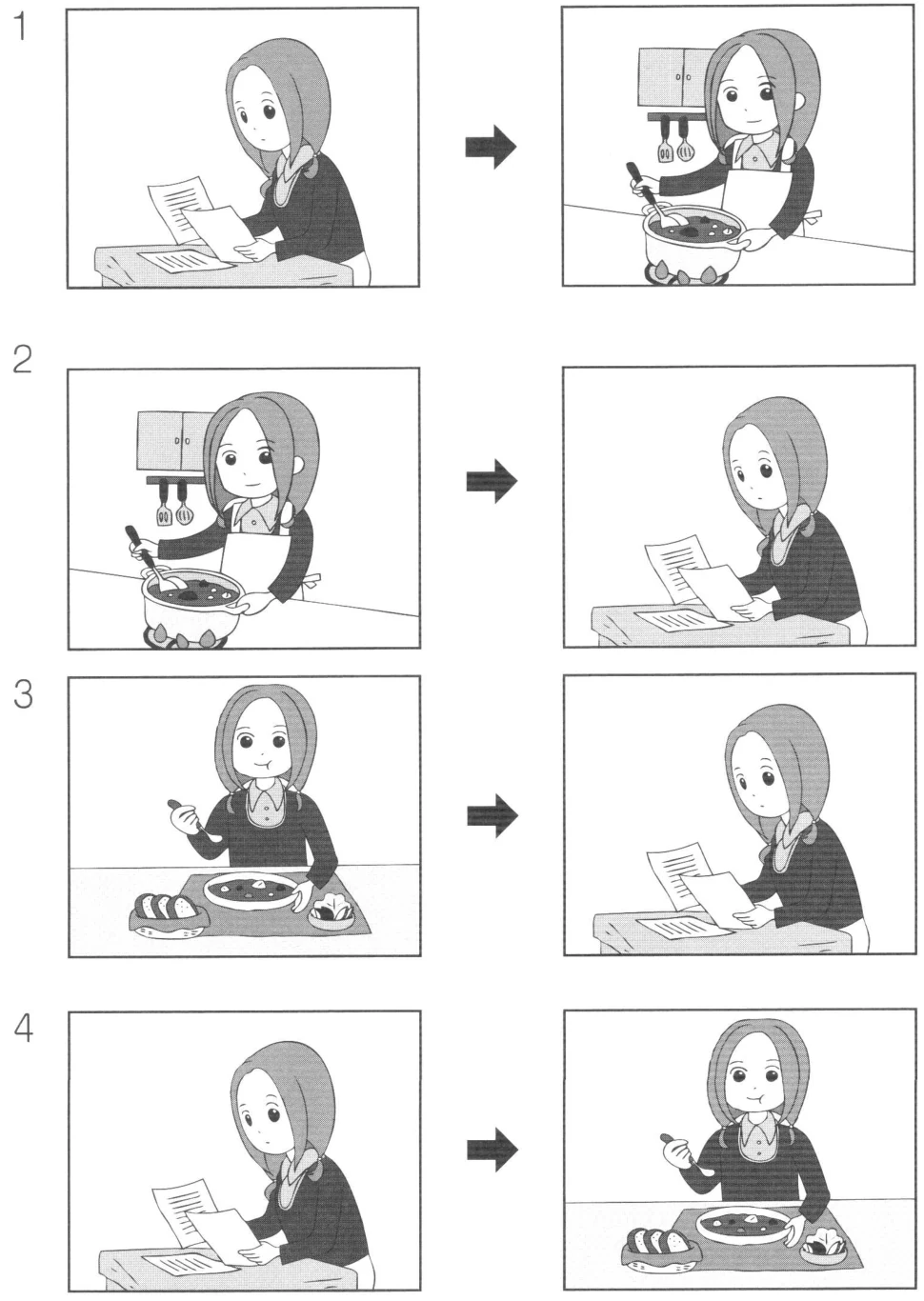
学生と留学生が話しています。女の人はこれからどうしますか。
A student and an international student are talking. What will the woman do next?
M:木村さん、明日このレポートを出しますが、日本語を見てくださいませんか。
Nam: Kimura, I'll submit this report tomorrow. Can you help me with the Japanese part?
F:いいですよ。
Female: Okay.
M:ありがとうございます! じゃあ、私のうちに来ませんか。晩ご飯を作ります。日本語を見たあとで食べてください。
Nam: Thank you! So will you come to my house? I will cook dinner. You can finish watching Japanese and then eat.
女の人はこれからどうしますか。
What will the woman do next?
Dialogue: appendix in the book, page 6. M: male voice · F: female voice. Vietnamese translation used for studying.
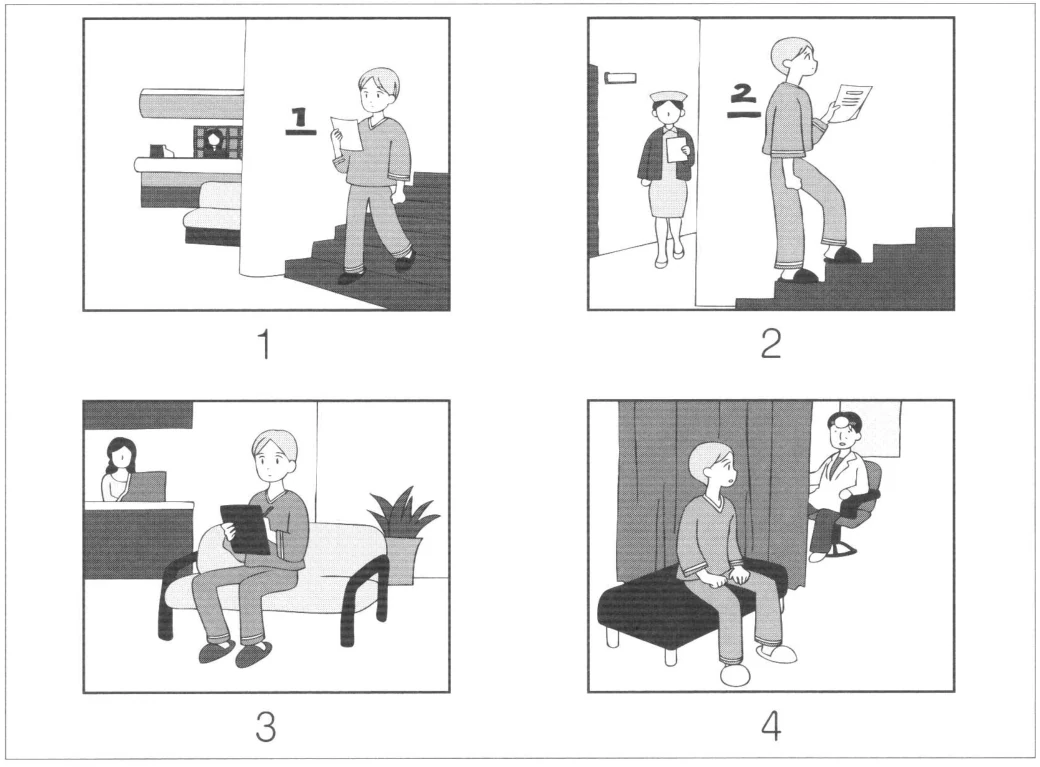
医者が話しています。病気の人ははじめにどうしますか。
The doctor is speaking. What should the patient do first?
M:はじめに、この紙の質問に答えてください。病気を見る部屋は3階にあります。でも、3階へ行く前に1階へ行ってください。名前を呼びますから、そこで待ってください。
Nam: First of all, answer the questions on this paper. The clinic is on the 3rd floor. But before going to the 3rd floor, go to the 1st floor. We will call your name, so please wait there.
病気の人ははじめにどうしますか。
What should the patient do first?
Dialogue: appendix in the book, page 6. M: male voice · F: female voice. Vietnamese translation used for studying.
お母さんと男の子が話しています。男の子ははじめに何をしますか。
Mother and son are talking. What will the boy do first?
F:お母さん、今から出かけるけど、手を洗って、テーブルの上にお菓子があるから、それを食べてね。
Mother: I'm going out. Please wash your hands and eat the candy on the table.
M:うん。
Child: Yes.
F:あ、その前に、ドアのかぎを閉めてね。
Mom: Oh, remember to lock the door before that.
M:うん、わかった。
Child: Yes, I know.
男の子ははじめに何をしますか。
What will the boy do first?
Dialogue: appendix in the book, pages 6–7. M: male voice · F: female voice. Vietnamese translation used for studying.
男の人と女の人が話しています。二人はこれからどうしますか。
A man and a woman are talking. What will you two do next?
M:リーさん、一緒に旅行に行きませんか。
Nam: Lee, let's go on a trip together?
F:いいですね。行きましょう。ホテルや電車はどうしますか。旅行会社へ行って、聞きますか。
Woman: Good, let's go. What about hotels and ships? Go to the travel company and ask?
M:先に、インターネットを見ませんか。
Nam: Can you watch it on the Internet first?
F:いいですね。じゃあ、一緒に見ましょう。
Female: Okay. So let's see.
二人はこれからどうしますか。
What will you two do next?
Dialogue: appendix in the book, page 7. M: male voice · F: female voice. Vietnamese translation used for studying.
女の人と男の人が話しています。土曜日、二人はどこで会いますか。
A woman and a man are talking. Where will you two meet on Saturday?
F:土曜日、一緒に映画を見に行きませんか。3時からです。
Woman: Let's go see a movie on Saturday? Movie starts at 3 o'clock.
M:いいですね。私はお昼まで会社にいますが、そのあと会いましょう。
Nam: Okay. I was at the company until noon; Then let's meet.
F:じゃあ、私が会社の近くまで行きますね。一緒にお昼を食べてから行きましょう。
Woman: Then I'll go near the company. We have lunch together and then go.
土曜日、二人はどこで会いますか。
Where will you two meet on Saturday?
Dialogue: appendix in the book, page 7. M: male voice · F: female voice. Vietnamese translation used for studying.
もんだい2では はじめに、しつもんを きいて ください。それから はなしを きいて、もんだいようしの 1から4の なかから、いちばん いいものを ひとつ えらんで ください。
Listen to the question first, then listen to the conversation and choose the best answer from options 1–4.
※実際の試験では、問題の前に練習があります。
Note in the book: in the actual exam, before the questions there are sample exercises.
Track 10 · Instructions part 2
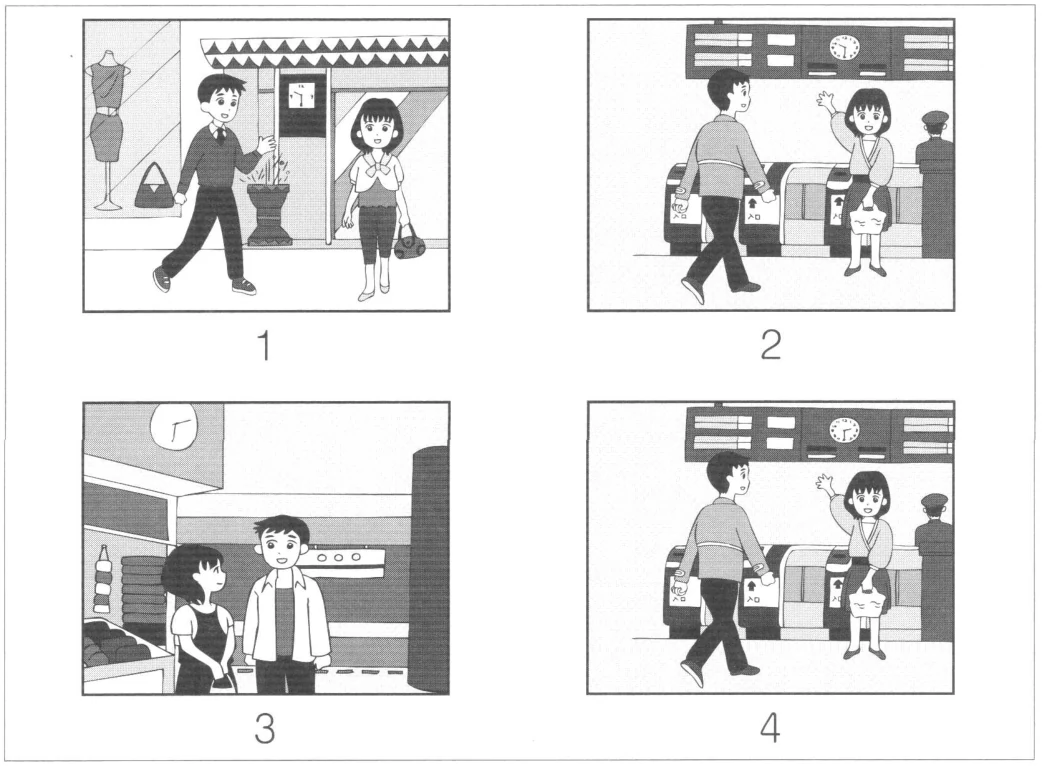
女の人と男の人が話しています。二人は何時にどこで会いますか。
A woman and a man are talking. What time will they meet and where?
F:土曜日は、何時にどこで会いましょうか。
Woman: What time will we meet on Saturday and where?
M:えーと、電車の時間は、11時15分ですから、11時に駅はどうですか。
Nam: The train leaves at 11:15, so is it okay to be at the station at 11?
F:うーん。お昼ご飯はどうしますか。着く時間は2時半ですよ。
Woman: What about lunch? It was already 2:30 when we arrived.
M:そうですか。じゃあ、駅で何か買いましょうか。
Nam: So let's buy something at the station?
F:駅の中には、小さいお店しかありません。駅の近くのデパートで何か買いませんか。
Woman: There are only small shops in the station. Can I buy it at the shopping center near the station?
M:いいですね。じゃあ、10時半にそこで会いましょう。
Nam: That's good. So meet there at 10:30.
二人は何時にどこで会いますか。
What time will they meet and where?
Dialogue: appendix in the book, page 8. M: male voice · F: female voice. Vietnamese translation used for studying.
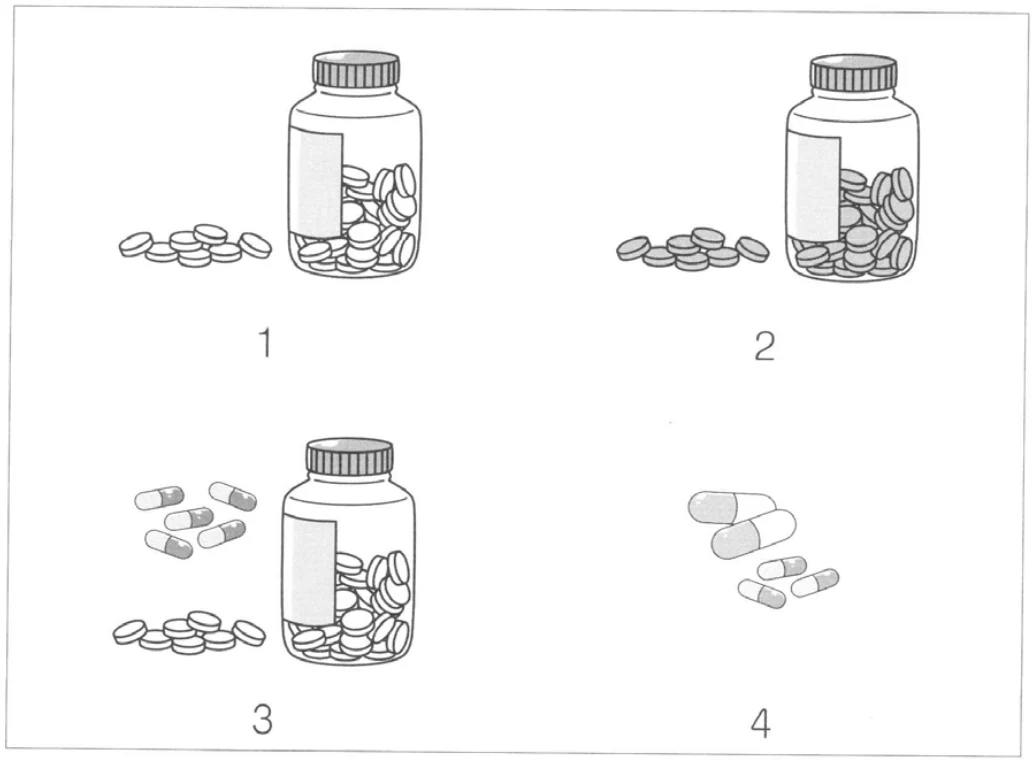
医者と男の人が話しています。男の人は、晩ご飯のあとでどの薬を飲みますか。
Doctor and a man are talking. After dinner, what medicine does a man take?
F:風邪ですね。薬を四つ出します。
Doctor: You have a cold. I prescribed four medications.
M:はい。
Nam: Yes.
F:この白い薬と小さい薬は、ご飯のあとで飲んでください。
Doctor: This white medicine and small pill are taken after meals.
M:はい。
Nam: Yes.
F:この赤い薬は、お腹が痛いときに飲んでください。
Doctor: Red medicine to take when you have a stomach ache.
M:お腹が痛いときですね。
Nam: When you have a stomachache, right?
F:ええ。そして、この大きい薬は、晩ご飯の前に飲んでください。
Doctor: Right. And the big pill is taken before dinner.
男の人は、晩ご飯のあとでどの薬を飲みますか。
After dinner, what medicine does a man take?
Dialogue: appendix in the book, page 8. M: male voice · F: female voice. Vietnamese translation used for studying.
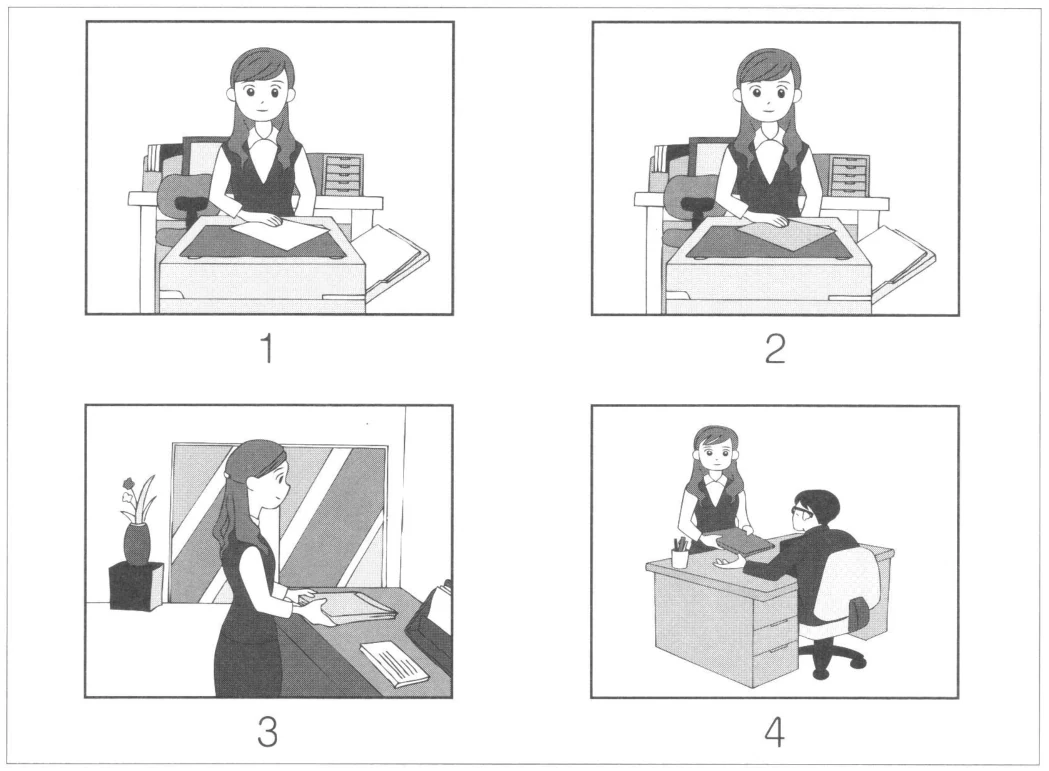
男の人と女の人が話しています。女の人ははじめに何をしますか。
A man and a woman are talking. What does the woman do first?
M:田中さん、すみません。
Nam: Tanaka, please ask me a little.
F:はい、何ですか。
Woman: Yes, what's going on?
M:この白い紙を30枚コピーしてください。そして、この封筒に1枚ずつ入れて、玄関の近くに置いてください。
Nam: Please photocopy this blank sheet of paper 30 copies. Then give each envelope a copy and place it near the door.
F:わかりました。
Woman: I understand.
M:お願いします。そのあと、青い紙を60枚コピーしてください。それは、私にください。
Nam: Thank you. Then photocopy 60 copies of green paper and give it to me.
F:はい。
Female: Yes.
M:じゃあ、お願いします。
Nam: So thanks to you.
女の人ははじめに何をしますか。
What does the woman do first?
Dialogue: appendix in the book, page 9. M: male voice · F: female voice. Vietnamese translation used for studying.
男の人と女の人が話しています。女の人は、ボールペンを何本買いますか。
A man and a woman are talking. How many ballpoint pens will the woman buy?
M:木村さん、買い物ですか。私も頼みたいものがありますが、いいですか。
Nam: Kimura, are you going shopping? I want to buy something, is that okay?
F:はい、何ですか。
Woman: Yes, what is that?
M:ボールペンを1本お願いします。
Nam: Please buy me a ballpoint pen.
F:1本ですか。でも、12本買ったほうが安いですよ。
Woman: One tree? But buying 12 trees is cheaper.
M:うーん、でも、たくさん使いませんから…。
Nam: But I don't use it much...
F:あ、駅の前の店で、3本200円で売っていましたよ。
Woman: Ah, the store in front of the station sells 3 sticks for 200 yen.
M:じゃあ、それをお願いします。
Nam: Then please buy that kind.
女の人は、ボールペンを何本買いますか。
How many ballpoint pens will the woman buy?
Dialogue: appendix in the book, page 9. M: male voice · F: female voice. Vietnamese translation used for studying.
男の人が病院に電話しています。男の人は、いつ病院に行きますか。
A man is calling the hospital. When will he go to the hospital?
M:すみません。今日、病院は昼は何時までですか。
Nam: Excuse me, what time is the day clinic at the hospital today?
F:5時までです。
Woman: Until 5 o'clock.
M:5時までですか。うーん、仕事中ですから、ちょっと…。
Nam: 5 o'clock? At that time I was still working so it was a bit difficult...
F:そうですか。夜はどうですか。7時から9時までです。
Woman: So what about tonight? From 7 o'clock to 9 o'clock.
M:大丈夫です。行きます。ありがとうございます。
Nam: Okay. I will come. Thank.
男の人は、いつ病院に行きますか。
When will he go to the hospital?
Dialogue: appendix in the book, page 10. M: male voice · F: female voice. Vietnamese translation used for studying.
男の人と女の人が話しています。来週、どこでご飯を食べますか。
A man and a woman are talking. Where will they eat next week?
M:来週みんなで会うとき、どこでご飯食べる?
Nam: Where will we eat when we meet next week?
F:そうね。いつも行くレストランは?
Woman: What about the restaurant I often go to?
M:うーん、あそこは安くておいしいけど、狭いからねえ。
Nam: That place is cheap and delicious but it's cramped.
F:じゃあ、前に行ったホテルはどう?
Woman: So what about the hotel last time?
M:あそこは高いよ。困ったなあ。ほかにいいレストランも知らないなあ…。
Nam: That place is expensive. It's difficult. I don't know any other good restaurants...
F:じゃあ、うちはどう? みんなで料理も作って。
Woman: Then come to my house? Everyone cooks together.
M:それ、いいね! いつもと違うから、楽しいね!
Nam: That's great! It's different than usual so it'll be fun!
来週、どこでご飯を食べますか。
Where will they eat next week?
Dialogue: appendix in the book, page 10. M: male voice · F: female voice. Vietnamese translation used for studying.
もんだい3では、えを みながら しつもんを きいて ください。やじるし(→)の ひとは なんと いいますか。1から3の なかから、いちばん いいものを ひとつ えらんで ください。
Look at the pictures and listen to the questions. What will the person pointed by the arrow say? Choose the most suitable sentence from 1–3.
※実際の試験では、問題の前に練習があります。
Note in the book: in the actual exam, before the questions there are sample exercises.
Track 17 · Instructions for part 3
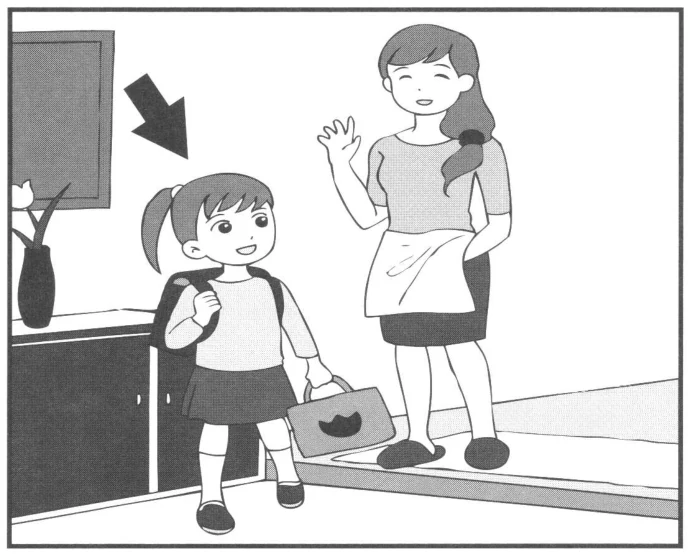
学校に行きます。何と言いますか。
You go to school. What did you say?
1 いってらっしゃい。
1. Let's go, let's go home! (the person who stayed said)
2 いってきます。
2. I/I'm leaving.
3 ただいま。
3. I'm home.
Dialogue: appendix in the book, page 11. M: male voice · F: female voice. Vietnamese translation used for studying.
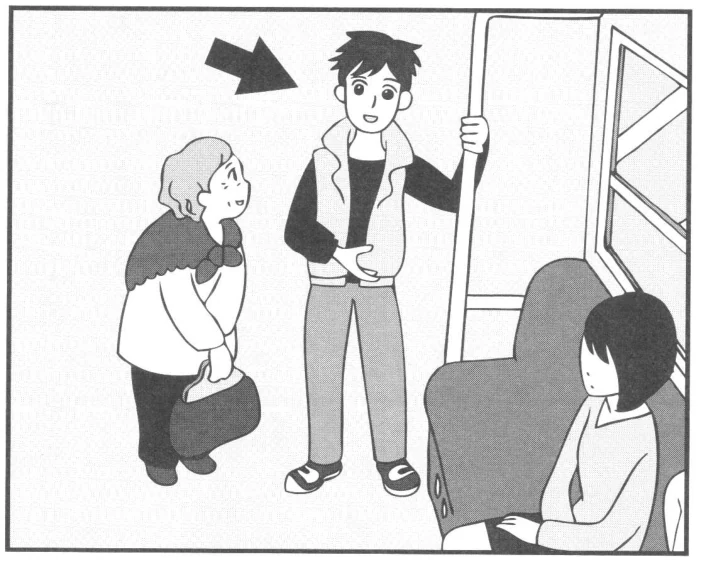
電車の中です。何と言いますか。
You are on the train. What did you say?
1 ありがとう。
1. Thank you.
2 すみません。
2. Sorry / sorry for a bit.
3 どうぞ。
3. Please.
Dialogue: appendix in the book, page 11. M: male voice · F: female voice. Vietnamese translation used for studying.
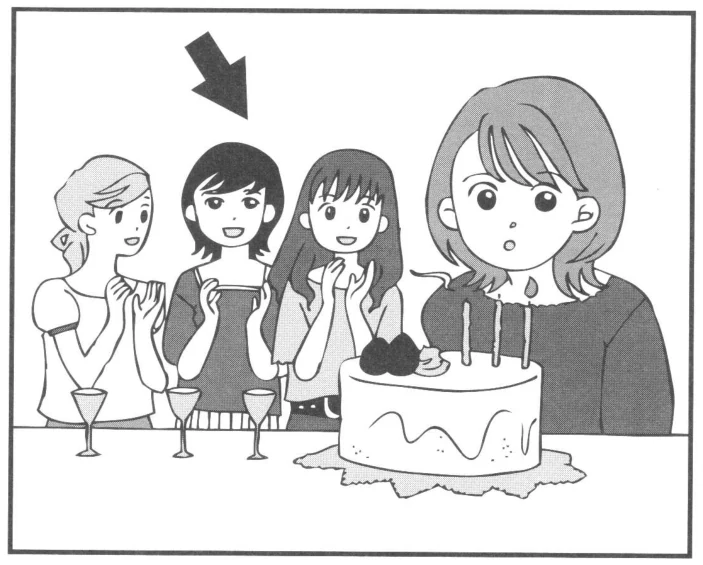
誕生日パーティーをしています。何と言いますか。
Having a birthday party. What did you say?
1 ありがとう。
1. Thank you.
2 おめでとう。
2. Congratulations.
3 お願いします。
3. Thanks / please.
Dialogue: appendix in the book, page 11. M: male voice · F: female voice. Vietnamese translation used for studying.
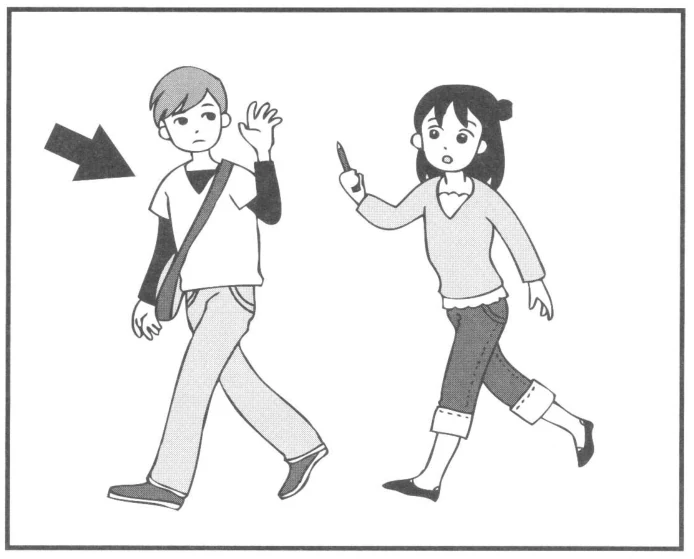
ペンを見て答えます。何と言いますか。
You looked at the pen and answered. What did you say?
1 それ、私のじゃありませんよ。
1. That's not mine.
2 それ、誰のでしょうね。
2. I wonder whose that belongs to.
3 それ、あなたのですか。
3. Is that yours?
Dialogue: appendix in the book, page 12. M: male voice · F: female voice. Vietnamese translation used for studying.
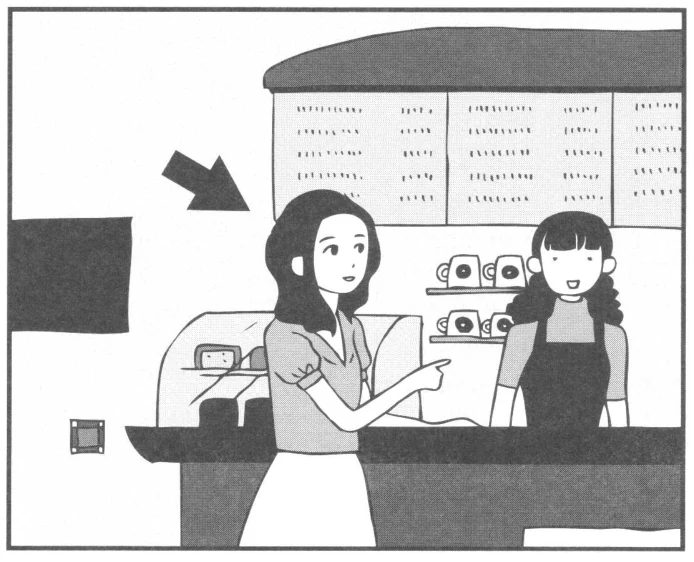
喫茶店で飲み物を頼みます。何と言いますか。
You order a drink at a coffee shop. What did you say?
1 これ、コーヒーですよね。
1. This is coffee, right?
2 コーヒーはいくらですか。
2. How much does coffee cost?
3 コーヒーお願いします。
3. Give me coffee.
Dialogue: appendix in the book, page 12. M: male voice · F: female voice. Vietnamese translation used for studying.
もんだい4は、えなどが ありません。ぶんを きいて、1から3の なかから、いちばん いいものを ひとつ えらんで ください。
This section has no pictures. Listen to the sentence and then choose the most appropriate answer from 1–3.
※実際の試験では、問題の前に練習があります。
Note in the book: in the actual exam, before the questions there are sample exercises.
Track 23 · Instructions for part 4
The answer boxes below have been added for the listening section without pictures; dialogue and answers are taken from the book's appendix.
F:トイレはどこですか。
Woman: Where is the bathroom?
M:1 いいえ、いません。
Nam: 1. No, not here.
2 教室ですよ。
2. It's a classroom.
3 あそこです。
3. Over there.
Dialogue: appendix in the book, page 12. M: male voice · F: female voice. Vietnamese translation used for studying.
M:昨日風邪をひいて、学校を休みました。
Nam: I had a cold yesterday so I missed school.
F:1 おめでとうございます。
Female: 1. Congratulations.
2 大丈夫ですか。
2. Are you okay?
3 こちらこそ。
3. It's me who has to say that.
Dialogue: appendix in the book, page 13. M: male voice · F: female voice. Vietnamese translation used for studying.
F:ごめんください。
Woman: Excuse me, is there anyone here?
M:1 いらっしゃいませ。
Nam: 1. Welcome / please come in.
2 ありがとうございました。
2. Thank you.
3 失礼します。
3. Ask permission.
Dialogue: appendix in the book, page 13. M: male voice · F: female voice. Vietnamese translation used for studying.
M:今日は、寒いですね。
Nam: It's cold today.
F:1 こちらこそ。
Woman: 1. It's me who has to say that.
2 どうも、すみません。
2. Sincerely apologize.
3 ええ、そうですね。
3. Yes, that's right.
Dialogue: appendix in the book, page 13. M: male voice · F: female voice. Vietnamese translation used for studying.
F:クッキーです。どうぞ。
Woman: Here are the cookies. Please.
M:1 いただきます。
Nam: 1. I would like to accept / ask permission to eat.
2 ごちそうさまでした。
2. Thank you for the meal. (after eating)
3 どういたしまして。
3. Nothing.
Dialogue: appendix in the book, page 13. M: male voice · F: female voice. Vietnamese translation used for studying.
M:このペン、使ってもいいですか。
Nam: Can I use this pen?
F:1 どうも。
Female: 1. Thank you / hello.
2 どうぞ。
2. Please, just use it.
3 ありがとう。
3. Thank you.
Dialogue: appendix in the book, page 14. M: male voice · F: female voice. Vietnamese translation used for studying.
「まとめのテスト」は、日本語能力試験の問題数の約半分の問題数になっています。実際の試験の、半分の時間を目安にして、問題を解きましょう。
めやす じかん<目安の時間>
| 文字・語彙 | 13 分 |
| 文法、読解 | 25 分 |
| 聴解 | 15 分 |
Choose the hiragana reading of the underlined word.
すみません、あの 白い かばんは いくらですか。
いえから 会社まで じてんしゃで 10ぷんです。
わたしの ちちは よく がいこくの ざっしを 読んでいます。
きょうは とても いい 天気です。
きょうの 午後 えいがを みに いきます。
この 魚の なまえは なんですか。
Choose the correct spelling of the underlined word.
きのう クラスで さくぶんを よみました。
こんしゅうから じゅぎょうが はじまります。
すみません、もう すこし まって ください。
たんじょうびに かっぷを もらいました。
Choose the appropriate word to fill in the blanks.
( )おとうとと こうえんで あそびます。
きのうは あつかったです。でも、きょうは( )です。
そのドアを( )ください。
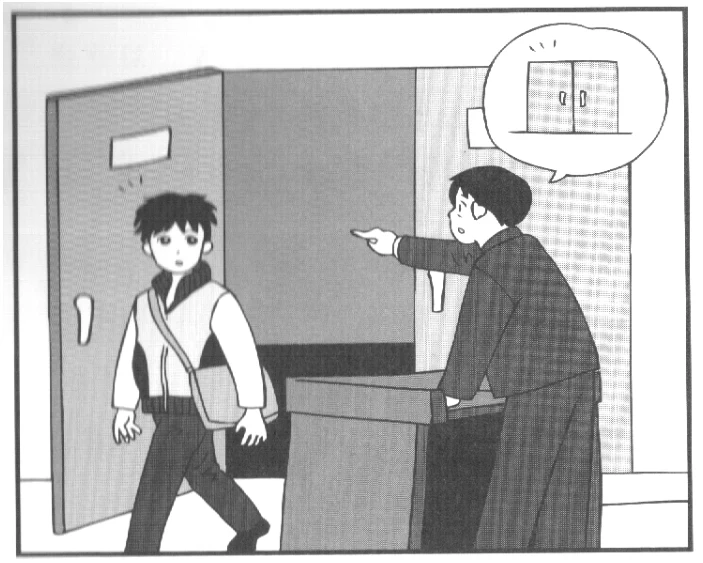
わたしの かいしゃは あの( )しろい たてものです。
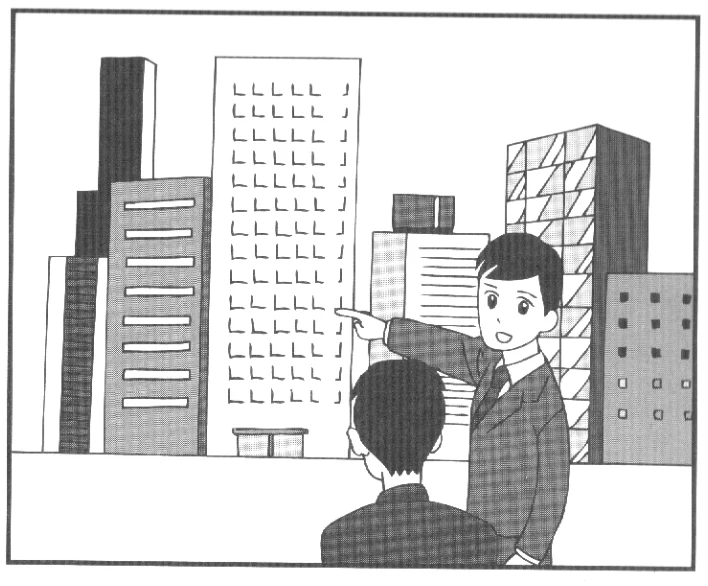
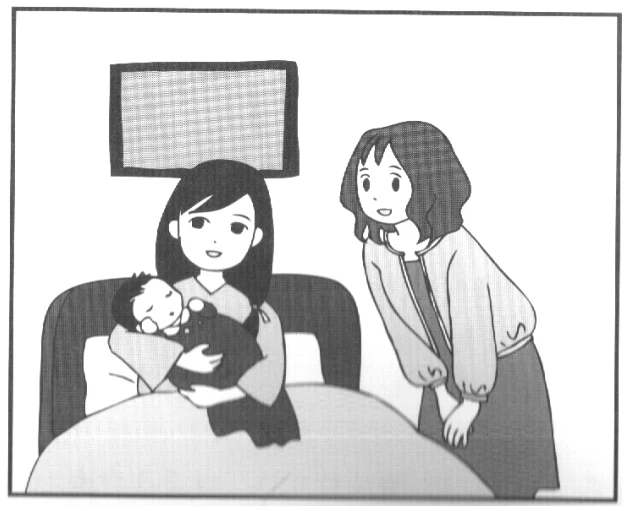
A「はじめて こどもが( )。」 B「それは おめでとう ございます。」
Choose the sentence that is closest in meaning to the underlined sentence.
この えいがは おもしろくなかったです。
てんきが いいですから、せんたくします。
ちちは さっき でかけました。
Choose the word or grammatical pattern that fits the blank.
あの お店は あまり( )よ。
きょうしつが( )なりました。
子どもが びょうき( )学校を 休みました。
あの 足が 長くて( )女の人は どなたですか。
えきの ちかく( )パンやが あります。
まだ ぎんこうは( )。少し、まちましょう。
わたしは、あたらしい パソコンが( )たいです。
休みの 日は 買いもの( )テニスを( )します。
Arrange all four parts into correct sentences, then choose the part in position ★.
きっぷを ___ ___ ★ ___ のります。
A「きょうしつに だれが いますか。」 B「いいえ、きょうしつ ___ ★ ___ ___ いません。」
おとうとは 今日 ___ ___ ★ ___。
Read the passage and choose answers for boxes 1–5.
ロバートさんと チンさんが さくぶんを 書きました。
(1)
わたしは きょねん 大阪へ 来ました。
わたしの 日本の うちは とても きれいです。1、せまくて、くらいです。
先週、わたしは 電気やで あたらしい 電気を 2.へやは あかるく なりました。
来週、わたしは パーティを します。うちへ おおぜいの 友だちが 3.わたしは
りょうりを たくさん つくります。
みなさんも うちへ 来ませんか。
Last year I went to Osaka. My house in Japan is very beautiful. [1], the house is cramped and dark. Last week I [2] got a new lamp at the electrical store. The room was brighter. Next week I'm having a party. Many of my [3] friends. I will cook many dishes. Can everyone come to my house too?
(2)
わたしは 今、うみの ちかくに すんでいます。
わたしの 国には うみが ありません。わたしは 日本で はじめて うみを みまし
た。うみの 水は きれいです。毎週、休みの 日に うみへ さんぽに いきます。お
ととい、うみに おおぜいの 人が いました。にぎやかでした。わたしは 一人4、つま
らなかったです。
みなさん、5。
I currently live near the sea. My country has no sea. I saw the sea for the first time in Japan. Beautiful sea water. Every week, on my day off, I go for a walk at the beach. The other day the beach was crowded and very bustling. I'm alone [4] so I feel bored. People, [5].
空欄 1 に 入る ものを 選んでください。
空欄 2 に 入る ものを 選んでください。
空欄 3 に 入る ものを 選んでください。
空欄 4 に 入る ものを 選んでください。
空欄 5 に 入る ものを 選んでください。
Read the passage and then choose the best answer for each question.
らいしゅうの どようびに みんなで うみに 行きます。あさ 8時半に 駅に 来てく
ださい。あさ 雨が ふっているときは、つぎの 日に うみに 行きます。その ときは
学校に 来てください。
Next Saturday everyone goes to the beach. Please arrive at the station at 8:30 am. If it rains in the morning, change the beach trip to the next day. Then go to school.
あさ 雨が ふっている とき、どう しますか。
Read the passage and then choose the best answer for each question.
わたしは 毎日 8時に おきます。けさは、あさごはんを 食べる 前に シャワーを
あびました。あさごはんを 食べながら しんぶんを 読みました。そして、はを みがきま
した。それから 学校へ 行きました。
I wake up at 8 o'clock every day. This morning, I took a shower before breakfast. I ate breakfast while reading the newspaper. Then I brush my teeth, then go to school.
わたしは けさ、どう しましたか。
Read the passage and then choose the best answer for each question.
5月20日(土)
今日は 雨が ふって いました。午前は アメリカに いる 友だちに 手紙を 書きま
した。それから 2時間ぐらい テレビを 見ました。午後は クラスの 友だちの いえ
に あそびに 行きました。大きくて りっぱな いえでした。友だちの お父さんは せ
が 高くて めがねを かけて いました。お母さんは 目が 大きくて とても きれい
でした。おとうとは 5さいで 小さくて かわいかったです。友だちの いえで ばんご
はんを 食べました。友だちの お母さんは りょうりが 上手でした。よる 8時ごろ
いえに かえりました。今日は とても たのしかったです。
Saturday, May 20.
It's raining today. In the morning I wrote a letter to my friend in America. Then I watched TV for about two hours. In the afternoon, I went to a classmate's house to play. It is a big and beautiful house. Your father is tall and wears glasses. Your mother has big and beautiful eyes. Your younger brother is 5 years old, small and cute. I have dinner at your house. Your mother is a good cook. Around 8 pm I came home. Today was very fun.
この 人は だれに 手紙を 書きましたか。
友だちの お父さんは どんな 人ですか。
Read the passage and then choose the best answer for each question.
あした 友だちと 会います。そして、えいがへ 行きます。あさって じゅぎょうが あ
りますから、よる 9時に うちへ かえりたいです。えいがかんから うちまで 1時間
かかります。
Tomorrow I'll meet my friends, then go see a movie. Because I have class the day after tomorrow, I want to arrive home at 9 p.m. It takes an hour to get home from the cinema.
See you at 5:30 p.m. at the cafe in front of the cinema.
どの えいがを 見ますか。
| 映画 · Movies | 時間 · Showtime |
|---|---|
| みんな だいすき | 16:00–18:00 |
| となりの ねこ | 18:00–20:00 |
| わたしたちの なつやすみ | 18:30–20:30 |
| うみへ いきたい | 19:00–21:00 |
友だちと 会う ばしょと 時間
えいがかんの 前の きっさてん 17:30
もんだい1では はじめに、しつもんを きいて ください。それから はなしを きいて、もんだいようしの 1から4の なかから、いちばん いいものを ひとつ えらんで ください。
Listen to the question first, then listen to the conversation and choose the best answer from options 1–4.
※実際の試験では、問題の前に練習があります。
Note in the book: in the actual exam, before the questions there are sample exercises.
Track 30 · Instructions part 1
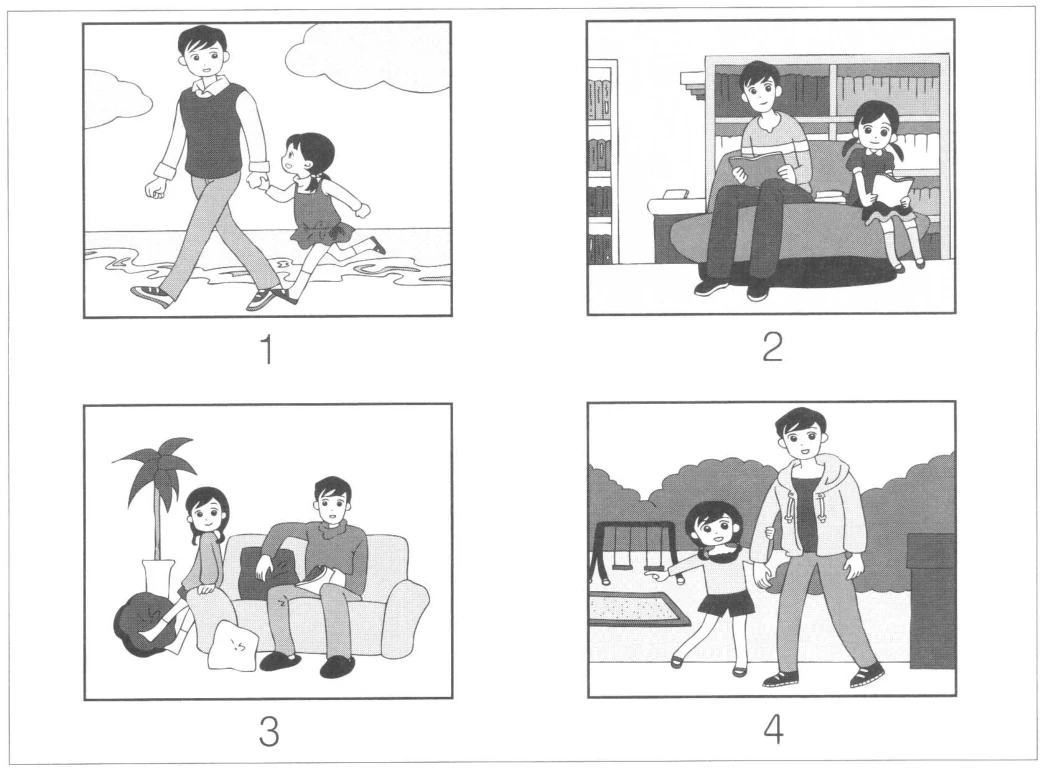
お父さんと女の子が話しています。二人はこれからどこへ行きますか。
Father and daughter are talking. Where will you two go next?
F:お父さん、海に行きたいよ。
Child: Dad, I want to go to the beach.
M:海? もう11時だよ。海は遠いから、今日はちょっと…。図書館はどう?
Dad: The sea? It's 11 o'clock. The sea is far away so today is a bit difficult... What about the library?
F:図書館は昨日行ったよ。
Child: I went to the library yesterday.
M:じゃあ、公園は?
Dad: How about a park?
F:うん、行く!
Child: Yes, let's go!
二人はこれからどこへ行きますか。
Where will you two go next?
Dialogue: appendix in the book, page 15. M: male voice · F: female voice. Vietnamese translation used for studying.
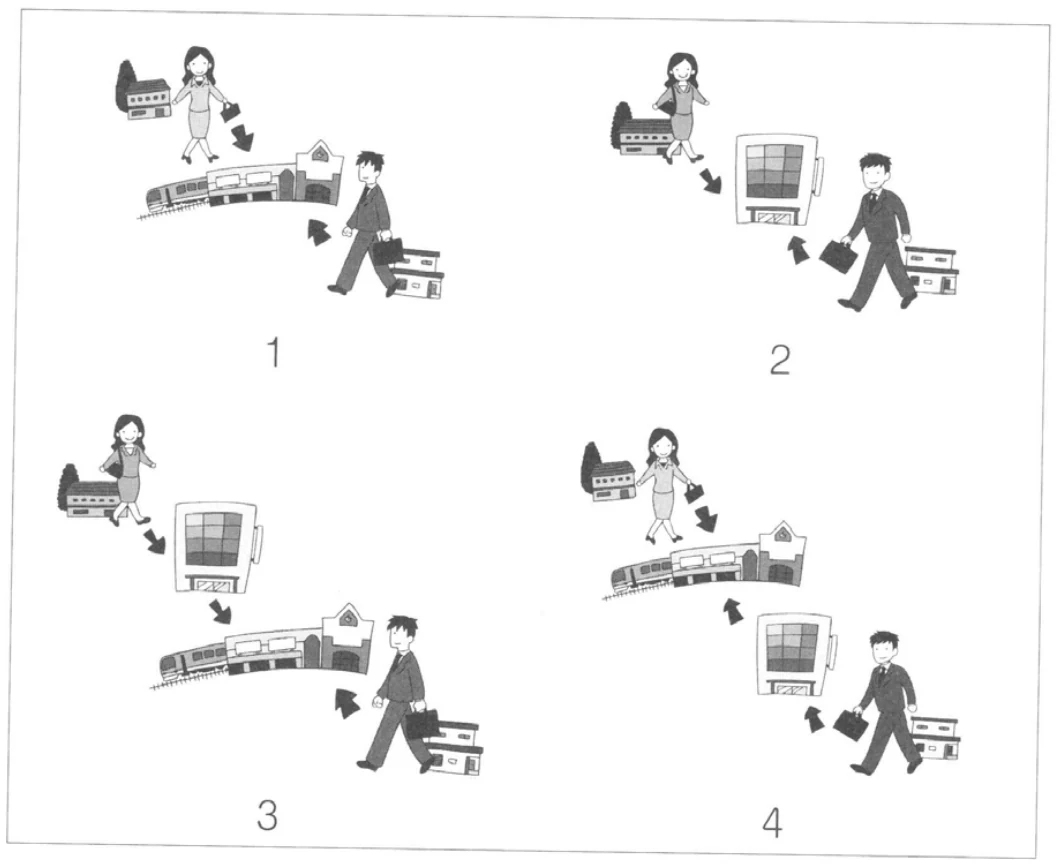
男の人と女の人が話しています。二人は明日、どうしますか。
A man and a woman are talking. How are you two going tomorrow?
M:じゃあ、明日よろしくお願いします。
Nam: Then please ask me tomorrow.
F:はい、10時に駅ですね。
Woman: Yes, 10 o'clock at the station, right?
M:ええ、そうです。私はうちから駅へ行きますが、佐藤さんはどうしますか。
Nam: That's right. I went from home to the station; What about Sato?
F:私はうちから会社へ行きます。それから駅へ行きます。
Woman: I go from home to the company, then from there to the station.
二人は明日、どうしますか。
How are you two going tomorrow?
Dialogue: appendix in the book, page 15. M: male voice · F: female voice. Vietnamese translation used for studying.
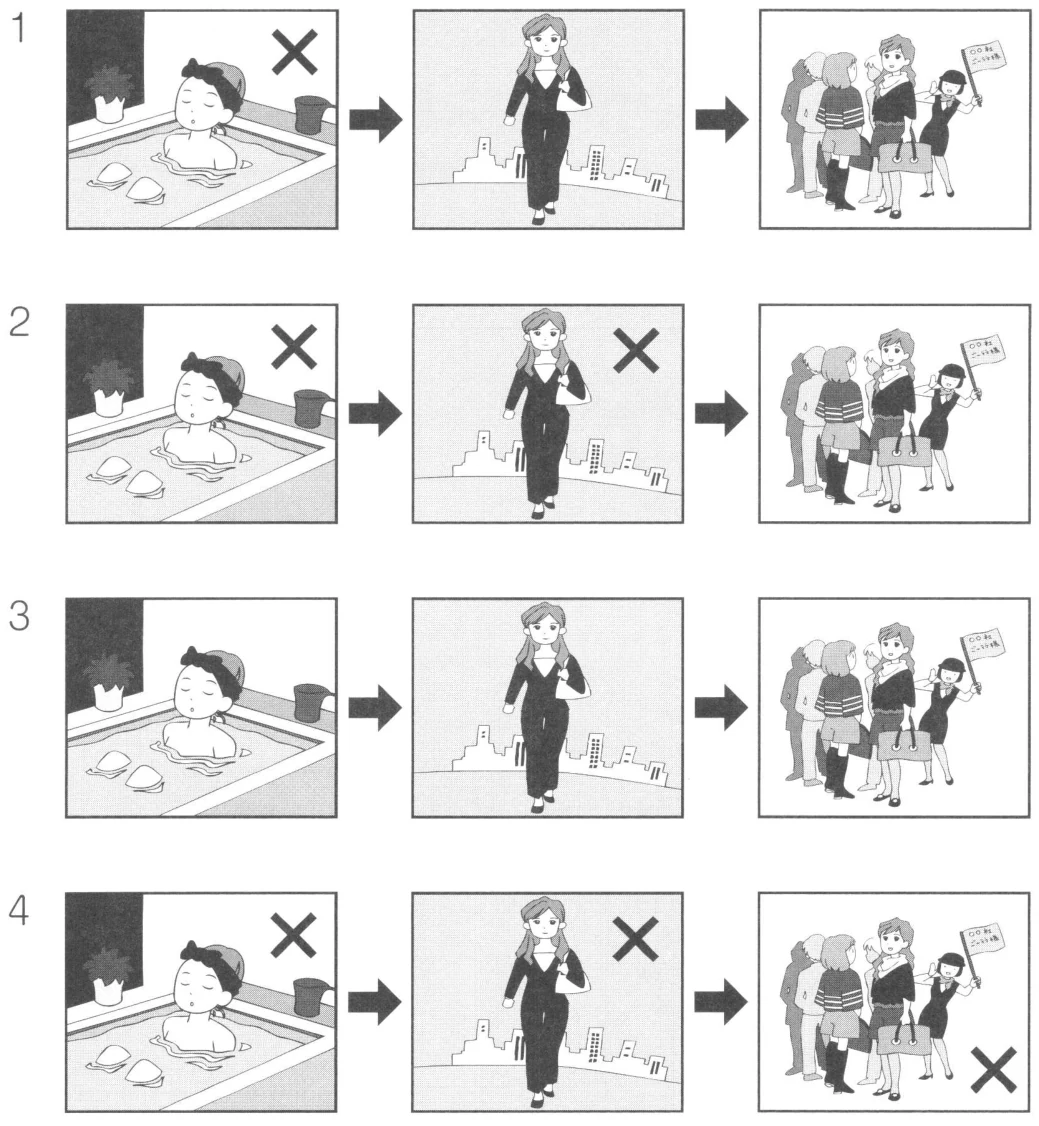
医者と女の人が話しています。女の人はどうしますか。
Doctor and a woman are talking. What will the woman do?
M:風邪ですね。今日はお風呂に入らないでください。それから、明日は仕事を休んで、ゆっくり寝てください。
Doctor: You have a cold. Don't shower today. Take a day off from work tomorrow and sleep comfortably.
F:わかりました。あのう、土曜日に、会社の旅行がありますが…。
Woman: I understand. But on Saturday the company has a trip...
M:それは大丈夫ですよ。
Doctor: That trip was okay.
女の人はどうしますか。
What will the woman do?
Dialogue: appendix in the book, page 16. M: male voice · F: female voice. Vietnamese translation used for studying.
先生が話しています。学生は、教室を出てからどうしますか。
The teacher is speaking. After leaving class, what should students do?
F:授業が終わったあともこの教室を使いたい人は、どうぞ使ってください。でも、今から話すことをよく聞いてください。教室を出る前に、電気を消してください。それから、教室のかぎは私が持っていますから、私を呼んでください。私がかぎを閉めます。
Teacher: Anyone who wants to use this classroom after school can use it. But listen carefully to what I'm about to say. Before leaving class, turn off the lights. Then, since she holds the room key, call her. She will lock the door.
学生は、教室を出てからどうしますか。
After leaving class, what should students do?
Dialogue: appendix in the book, page 16. M: male voice · F: female voice. Vietnamese translation used for studying.
もんだい2では はじめに、しつもんを きいて ください。それから はなしを きいて、もんだいようしの 1から4の なかから、いちばん いいものを ひとつ えらんで ください。
Listen to the question first, then listen to the conversation and choose the best answer from options 1–4.
※実際の試験では、問題の前に練習があります。
Note in the book: in the actual exam, before the questions there are sample exercises.
Track 35 · Instructions part 2
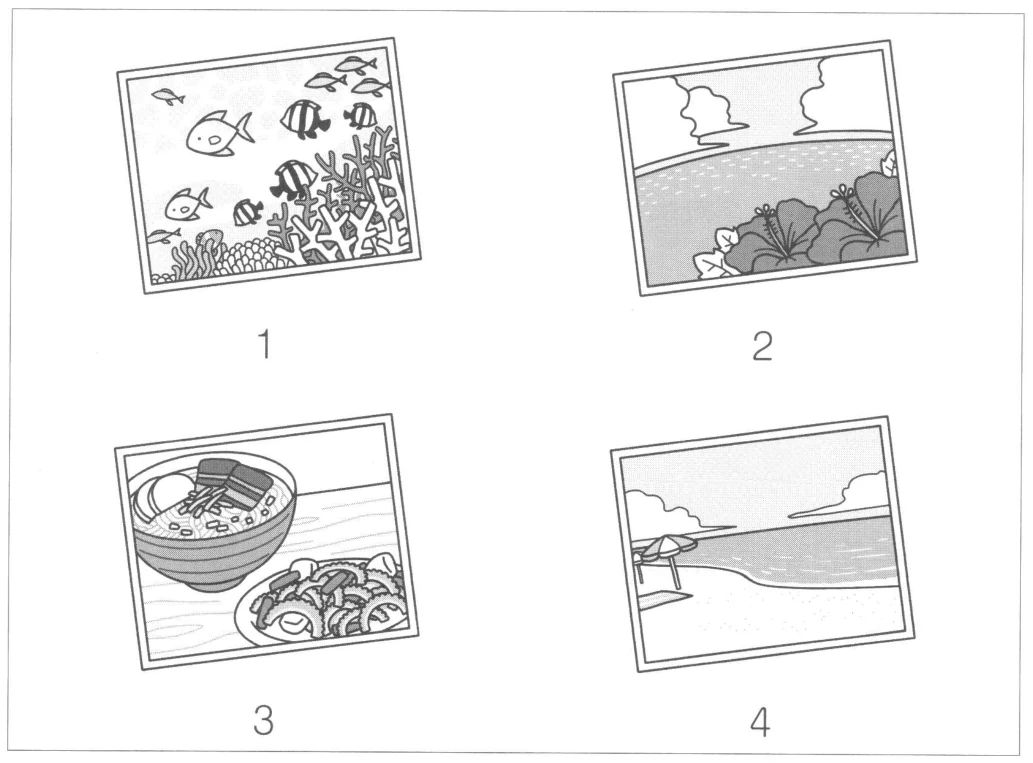
男の人と女の人が話しています。男の人がいちばん好きな写真はどれですか。
A man and a woman are talking. Which photo do men like the most?
M:それ、旅行の写真ですか。いいですねえ。どこへ行きましたか。
Nam: Is this a travel photo? That's beautiful. Where did you go?
F:沖縄です。海がとてもきれいでしたよ。
Female: Okinawa. The sea is very beautiful.
M:これは海の中ですか。本当にきれいですねえ!
Nam: Is this under the sea? So beautiful!
F:ええ。それから、これは、海の近くで撮りました。私、この写真がいちばん好きです。
Female: Yes. This photo was taken near the sea. I like this picture the most.
M:海と空が青くて、赤い花もあって、とてもきれいな写真ですね!
Nam: The sea and sky are blue, there are also red flowers; Really beautiful photo!
F:ありがとうございます。
Female: Thank you.
M:あ、これは沖縄の料理ですね。食べたくなりますねえ。私は、この写真がいちばん好きだな…。
Nam: Ah, this is Okinawan food, right? Looks like I want to eat. I like this photo the most…
男の人がいちばん好きな写真はどれですか。
Which photo do men like the most?
Dialogue: appendix in the book, pages 16–17. M: male voice · F: female voice. Vietnamese translation used for studying.
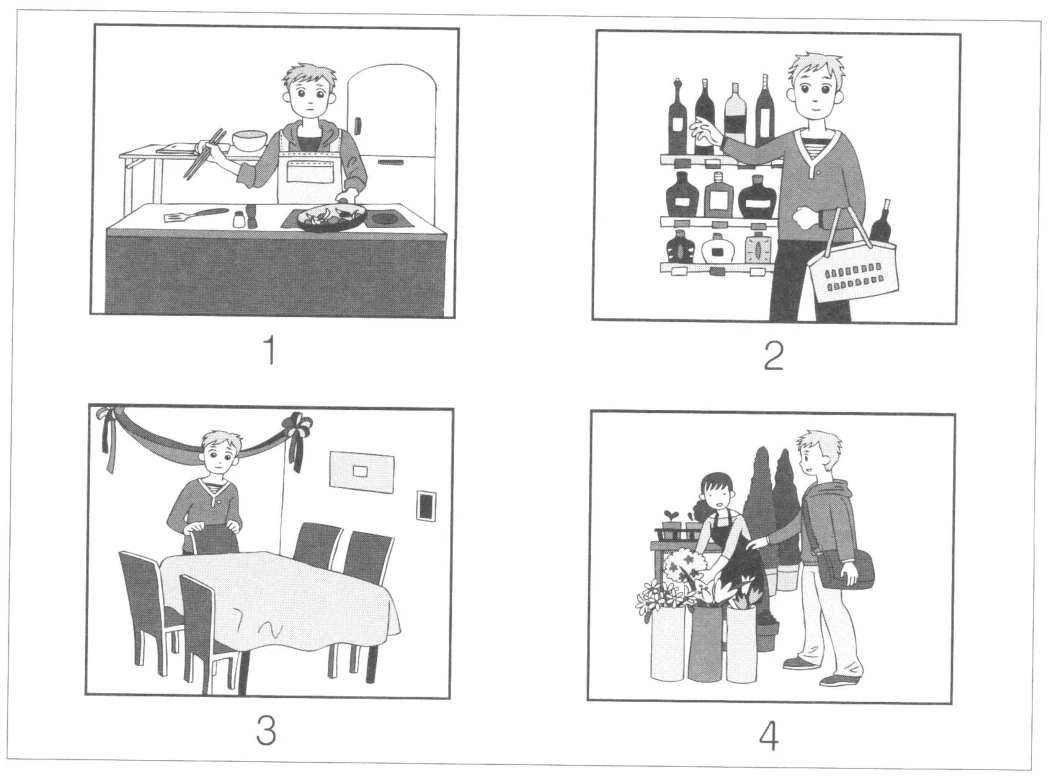
女の人と男の人が話しています。男の人は何をしますか。
A woman and a man are talking. What will men do?
F:明日はパーティーですね。
Woman: Tomorrow is the party, right?
M:はい。何か私がすることはありますか。
Nam: Yes. Is there anything I can do?
F:そうですねえ…。料理は伊藤さんたちに頼みました。飲み物は、鈴木さんたちが買います。
Woman: The food was thanks to Ito's group. Drinks were bought by Suzuki's group.
M:そうですか。いすやテーブルはどうしますか。
Nam: Is that so? What about tables and chairs?
F:明日みんなで並べます。あ、花がありませんね。
Woman: Tomorrow everyone will line up together. Ah, no flowers yet.
M:花ですか。
Nam: Flowers?
F:ええ。花を買ってください。今日か明日、お願いします。
Female: Yes. Please buy flowers today or tomorrow.
M:わかりました。
Nam: I understand.
男の人は何をしますか。
What will men do?
Dialogue: appendix in the book, page 17. M: male voice · F: female voice. Vietnamese translation used for studying.
学生と女の人が話しています。学生は、いつテストをしますか。
A student and a woman are talking. When will students take the test?
M:すみません、日本語のクラスで、勉強したいです。
Nam: Hello, I want to take a Japanese class.
F:それでは、この紙にお名前と電話番号を書いてください。クラスは来週の月曜日からです。その前にテストをしてください。
Woman: So write your name and phone number on this piece of paper. Class starts next Monday. Before that you need to take the test.
M:来週の月曜日にテストをしますか。
Nam: Check next Monday?
F:いいえ、今週中にテストをしてください。
Woman: No, let's do it this week.
M:今日テストができますか。
Nam: Can we do it today?
F:今日は、テストがありません。明日は、何人かの学生が、テストをします。
Woman: There is no test today. Tomorrow there will be a few students working.
M:明日ですね。わかりました。
Nam: Tomorrow. I got it.
学生は、いつテストをしますか。
When will students take the test?
Dialogue: appendix in the book, pages 17–18. M: male voice · F: female voice. Vietnamese translation used for studying.
もんだい3では、えを みながら しつもんを きいて ください。やじるし(→)の ひとは なんと いいますか。1から3の なかから、いちばん いいものを ひとつ えらんで ください。
Look at the pictures and listen to the questions. What will the person pointed by the arrow say? Choose the most suitable sentence from 1–3.
※実際の試験では、問題の前に練習があります。
Note in the book: in the actual exam, before the questions there are sample exercises.
Track 39 · Instructions for part 3
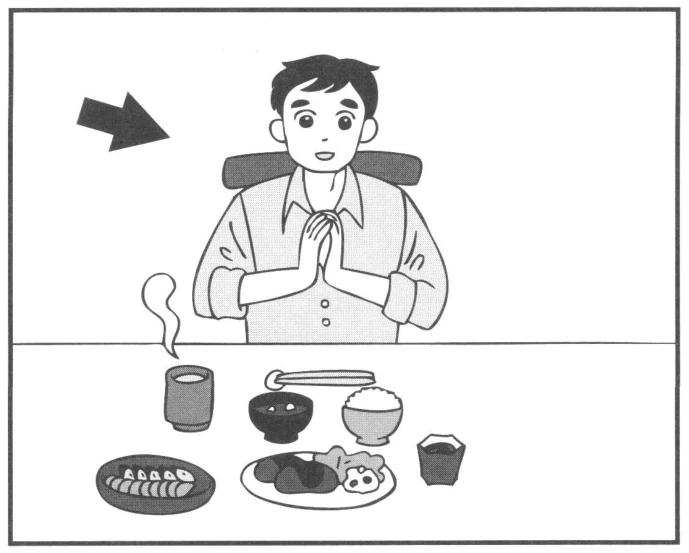
これからご飯を食べます。何と言いますか。
You are about to eat. What did you say?
1 いただきます。
1. I ask permission to eat.
2 ごちそうさまでした。
2. Thank you for the meal. (after eating)
3 お願いします。
3. Please / thank you.
Dialogue: appendix in the book, page 18. M: male voice · F: female voice. Vietnamese translation used for studying.
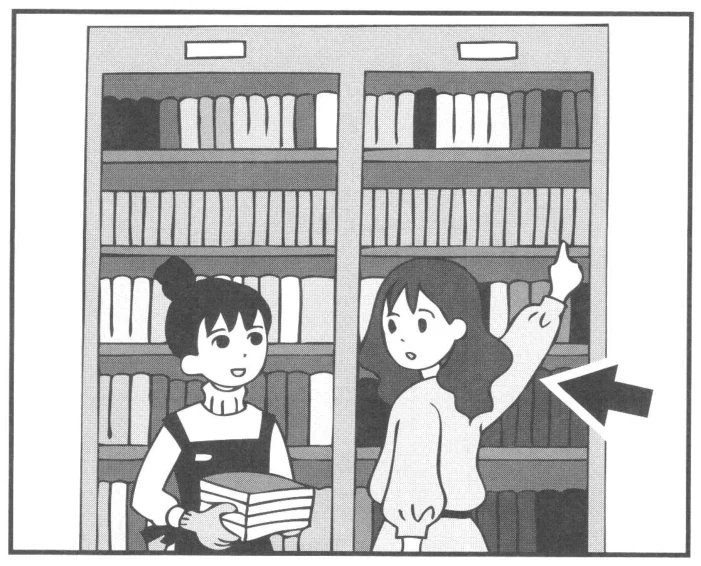
本を取りたいです。何と言いますか。
You want to get a book. What did you say?
1 あの本、何ですか。
1. What is that book?
2 あの本、取ってください。
2. Get me that book.
3 あの本、どうですか。
3. How is that book?
Dialogue: appendix in the book, page 18. M: male voice · F: female voice. Vietnamese translation used for studying.
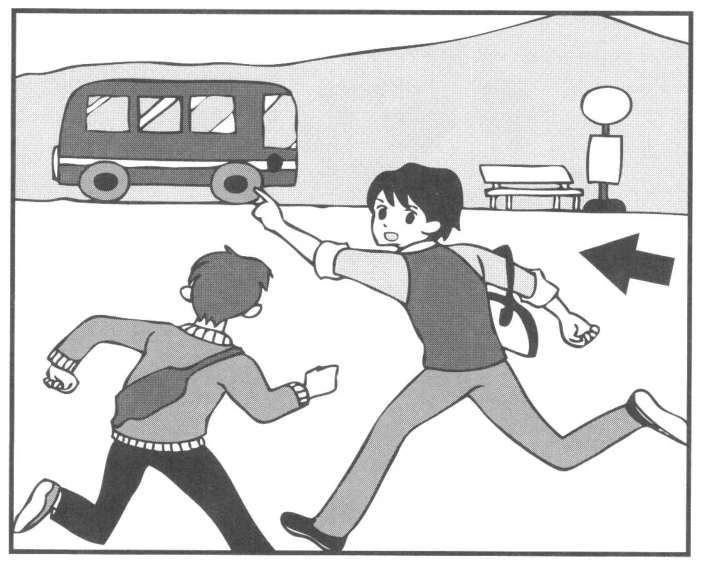
バスに乗りたいです。何と言いますか。
You want to get on the bus. What did you say?
1 バス、早く来ないかなあ。
1. I hope the bus comes quickly.
2 早く早く!
2. Hurry, hurry!
3 ちょっと待って!
3. Wait a minute!
Dialogue: appendix in the book, page 19. M: male voice · F: female voice. Vietnamese translation used for studying.
もんだい4は、えなどが ありません。ぶんを きいて、1から3の なかから、いちばん いいものを ひとつ えらんで ください。
This section has no pictures. Listen to the sentence and then choose the most appropriate answer from 1–3.
※実際の試験では、問題の前に練習があります。
Note in the book: in the actual exam, before the questions there are sample exercises.
Track 43 · Instructions for part 4
The answer boxes below have been added for the listening section without pictures; dialogue and answers are taken from the book's appendix.
F:日曜日、何をしますか。
Woman: What do you do on Sunday?
M:1 どうもありがとうございます。
Nam: 1. Thank you very much.
2 そうですね、まだわかりません。
2. Let's see, I don't know yet.
3 勉強をしません。
3. I don't study.
Dialogue: appendix in the book, page 19. M: male voice · F: female voice. Vietnamese translation used for studying.
M:きれいなシャツですね。
Nam: Nice shirt.
F:1 そうです。シャツが欲しいです。
Female: 1. That's right. I want a shirt.
2 そうですか。どこのお店のですか。
2. So? Which store's shirt is from?
3 ありがとうございます。母からのプレゼントです。
3. Thank you. This is a gift from my mother.
Dialogue: appendix in the book, page 19. M: male voice · F: female voice. Vietnamese translation used for studying.
F:これは、あなたのですか。
Woman: Is this yours?
M:1 はい、あなたのです。
Nam: 1. Yes, yours.
2 はい、そうです。
2. Yes, that's right.
3 いいえ、わたしのです。
3. No, mine.
Dialogue: appendix in the book, page 19. M: male voice · F: female voice. Vietnamese translation used for studying.
| Mon | Practice | Test test | Selected |
|---|