This level is locked
Only administrators see this. Unlocks until you close the tab, so you can review the other levels’ content.
JLPT study area
Create a free account to start the JLPT programme and keep all your progress.
- 4,890 N5–N1 vocabulary words, searchable in place
- 737 N5–N1 grammar points with full explanations
- 755 drills, 10 mock tests and 176 reading lessons
- Save progress, mark points learned, sync across devices
Bilingual articles stay free to read, no account needed.
「発話表現」のスキルを学ぶ
発話表現 skill — choose the right statement for the situation
Book pp. 21–29 ・ CD A-14 〜 A-19 ・ 6 tracks embedded
How to use this page
- Listen first; do not read the table. Every exercise has its own player — press ▶ and do the exercise right on the page.
- Player has 0.75× / 1.0× / ↺5s / 最初から — you may replay a hard part as many times as you like.
- Self-check: button ? self-marking and auto-grading ◯, click again to become ×, click a third time to return ?.
- The ドリル section (blue border) has an answer printed in the book → press 採点する on the bottom bar for automatic grading.
⚠️ About the answers
The answers and scripts for 練習 1〜4 and 確認問題 of this chapter are in the separate booklet 別冊「解答とスクリプト」, no in the original PDF file. That is why those items use the mode self-check (listen → choose → mark ◯/× yourself).
In return, I add 6 auto-graded ドリル sets (26 questions) taken directly from the expression tables on pp. 23–28 of the book — every answer is fully supported by the book.
問題形式と内容
絵を見ながら状況説明文と質問を聞きます。それから、3つの選択肢を聞いて、やじるし(→)の人の発話として最もよいものを選びます。
◇ 聞き取りのポイント
- 1 状況説明文を理解する — understand the situation description
- 2 話す人と聞く人のどちらがする表現かに注意する — is that line spoken by the speaker or the listener?
- 3 その状況で使う決まった表現に注意する — the fixed phrase for that situation
1状況説明文を聞き分ける
状況説明文を聞いて、発話の状況や場面を理解します。話す人(→の人)と聞く人のどちらが動作をする状況なのかを考えることが大切です。
VI ・ Key point: identify who performs the action — the speaker (→) or the listener.
【話す人がする】
- 例1 友達の消しゴムを使いたいです。(話す人が使う)
- 例2 友達が疲れたので、運転を代わってあげます。(話す人が運転する)
【聞く人がする】
- 例3 友達に自転車を貸してもらいます。(聞く人が貸す)
- 例4 先生に作文の間違いを直してほしいです。(聞く人が直す)
| 例1 | 友達の消しゴムを使いたいです。 I want to use your eraser. → the speaker use → ask permission:「使ってもいい?」 |
|---|---|
| 例2 | 友達が疲れたので、運転を代わってあげます。 You are tired, so I will drive instead. → the speaker drive → offer:「代わろうか?」 |
| 例3 | 友達に自転車を貸してもらいます。 A friend lent me a bicycle. → the listener lend → request:「貸してくれない?」 |
| 例4 | 先生に作文の間違いを直してほしいです。 You want the teacher to correct your composition. → the listener revise → request:「直していただけませんか」 |
| # | どちらがしますか | 自己採点 |
|---|---|---|
| (1) | が教える | |
| (2) | が使う | |
| (3) | が取る | |
| (4) | が説明する | |
| (5) | が撮る | |
| (6) | が手伝う | |
| (7) | が調べる |
Tip: listen to the final auxiliary:「〜てもらう/〜てほしい」→ listener acts;「〜たい/〜てあげる」→ speaker acts.
2許可や依頼の発話を聞き分ける
2-A許可や依頼の表現
発話の選択肢にある表現が、話す人がするときの表現か聞く人がするときの表現かに注意します。まず状況説明文で、話す人がする状況か聞く人がする状況かを理解した後、それと合う発話を選びます。(状況説明文ではどちらがするか言わない場合もあります。)
【話す人がするとき】
| 許可を求める Asking permission |
〜ても+いい?/いいですか/いいでしょうか/よろしいでしょうか 〜させて+もらえる?/もらえませんか/いただきたいんですが/くれる?/くれませんか/ください/くださいませんか/ほしいんだけど 〜たいんですが/〜たいんですけど (使いたい) ○○、ありますか/使えますか(可能の形+か) (座りたい) ここ、いいですか/空いていますか/だれかいますか |
|---|---|
| 方法を聞く Asking how to do something |
どう+〜ばいいでしょうか どう+〜たらいいですか 〜方がわからないんですが/〜がわからないんですけど 〜たいんですが/〜たいんですけど |
【聞く人がするとき】
| お願いする Asking for a favor |
〜て+もらえる?/もらえませんか/いただきたいんですが/くれる?/くれませんか/ください/くださいませんか/ほしいんだけど |
|---|
| 〜てもいい? | The speaker do → ask permission. Example:「この本、借りてもいい?」 |
|---|---|
| 〜させて+ください | The speaker do → ask to be allowed to do it. Example:「私にやらせてください」 |
| 〜たいんですが | The speaker want to do it → open indirectly. Example:「荷物を預けたいんですが」 |
| 〜てもらえませんか | The listener do → make a polite request. Example:「手伝ってもらえませんか」 |
| 〜ていただきたいんですが | The listener do it → a very polite request (to a superior). |
| どう〜ばいいでしょうか | Ask method, not asking permission. Example:「どう書けばいいでしょうか」 |
| # | 発話 1 | 発話 2 | 発話 3 |
|---|---|---|---|
| (1) | |||
| (2) | |||
| (3) | |||
| (4) | |||
| (5) | |||
| (6) | |||
| (7) | |||
| (8) |
Each question has three utterances — mark ◯ for one that fits the situation and × for one with the wrong subject or pattern.
2-B注意するべき動詞
同じ場面で違う動詞を使うことがあります。話す人の動作を表す動詞を使うとき(例:借りる)と、聞く人の動作を表す動詞を使うとき(例:貸す)では、後ろに続く表現が違うので注意します。
| 動詞 | 例文 |
|---|---|
| 借りる | 【話す人の動作】 借りてもよろしいですか。 |
| 貸す | 【聞く人の動作】 貸していただけませんか。 |
| 見る | 【話す人の動作】 見てもいい? |
| 見せる | 【聞く人の動作】 見せてよ。 |
| 聞く | 【話す人の動作】 お聞きしたいんですが。 |
| 教える | 【聞く人の動作】 教えていただきたいんですが。 |
| もらう/いただく | 【話す人の動作】 もらってもいいでしょうか。 |
| くれる/くださる | 【聞く人の動作】 くださいませんか。 |
| 預ける | 【話す人の動作】 荷物、預けたいんですけど。 |
| 預かる | 【聞く人の動作】 荷物、預かっていただけませんか。 |
| 借りる ↔ 貸す | to borrow (I do it) ↔ to lend (the other does it) |
|---|---|
| 見る ↔ 見せる | see (myself) ↔ show (the other person does it) |
| 聞く ↔ 教える | ask (I do) ↔ show/teach (the other person does) |
| もらう ↔ くれる | receive (I do) ↔ give me (the other person does) |
| 預ける ↔ 預かる | to leave something (I hand it over) ↔ to keep something (the other keeps it) |
| # | 発話 1 | 発話 2 | 発話 3 |
|---|---|---|---|
| (1) | |||
| (2) | |||
| (3) | |||
| (4) | |||
| (5) | |||
| (6) | |||
| (7) | |||
| (8) |
3問題を知らせる・助けを申し出る表現に注意する
聞く人に何か問題を知らせたり、自分から助けを申し出たりする状況では、次のような表現が使われます。
| 状況と表現 | 発話例 |
|---|---|
| 話す人に関係する問題を知らせて、聞く人に助けを求める: Explain your problem and ask for help 〜んですが/〜んですけど |
|
| 聞く人に関係する問題を知らせる: Tell the other person about their problem 〜よ、〜ていますよ/〜てるよ |
|
| 聞く人に助けを申し出る: Offer to help 〜ましょうか/〜ようか、〜ますね/〜ますよ |
|
| # | 答え(1 つ選ぶ) | 自己採点 |
|---|---|---|
| (1) | ||
| (2) | ||
| (3) | ||
| (4) | ||
| (5) | ||
| (6) | ||
| (7) | ||
| (8) |
4あいさつ表現に注意する
VI ・ A table of fixed greetings by situation — memorize it because questions often test them directly.
| 状況説明文の例 | 表現の例 |
|---|---|
| 会社でほかの人より自分が先に帰ります。 | お先に失礼します。 |
| 会社でほかの人が自分より先に帰ります。 | お疲れ様でした。 |
| ほかの人のうちに入ります。 | おじゃまします。 |
| ほかの人のうちを出ます。 | おじゃましました。 |
| ほかのうちの人に、来たことを知らせます。 | ごめんください。 |
| 先生に今から話せるかどうか聞きます。 | お時間、ありますか。/今、ちょっとよろしいですか。 |
| 先生に質問したいです。 | 質問があるんですが。 |
| 受付の人に質問したいことがあります。 | うかがいたいんですが。 |
| お世話になった人に久しぶりに会いました。 | ごぶさたしております。 |
| 病気の人と別れます。 | お大事に。 |
| お客さんにいすを勧めます。 | どうぞおかけください。 |
| お客さんに食べ物や飲み物を勧めます。 | お口に合うかどうか。 |
| 先輩が自分を待っていました。 | お待たせしました。 |
| これから長い間会わない人と別れます。 | お元気で。 |
| 旅行に行く人に会いました。 | お気をつけて。 |
| お先に失礼します | Excuse me for leaving first. |
|---|---|
| お疲れ様でした | Thank you for your hard work (said to someone leaving before you). |
| おじゃまします / おじゃましました | Excuse me for coming in (on entering) / Thank you for your time (on leaving). |
| ごめんください | Is anyone home? (calling at the door) |
| 今、ちょっとよろしいですか | Do you have a moment now, teacher? |
| うかがいたいんですが | May I ask you something? (polite, to a stranger or a receptionist). |
| ごぶさたしております | It has been a long time. (very polite) |
| お大事に | Take good care of yourself (said to someone who is ill). |
| どうぞおかけください | Please have a seat. |
| お口に合うかどうか | I hope it suits your taste (when offering food). |
| お待たせしました | Sorry to have kept you waiting. |
| お元気で | Please stay well (said at a long farewell). |
| お気をつけて | Take care on your way. |
| # | 答え(1 つ選ぶ) | 自己採点 |
|---|---|---|
| (1) | ||
| (2) | ||
| (3) | ||
| (4) | ||
| (5) | ||
| (6) | ||
| (7) | ||
| (8) |
確認問題
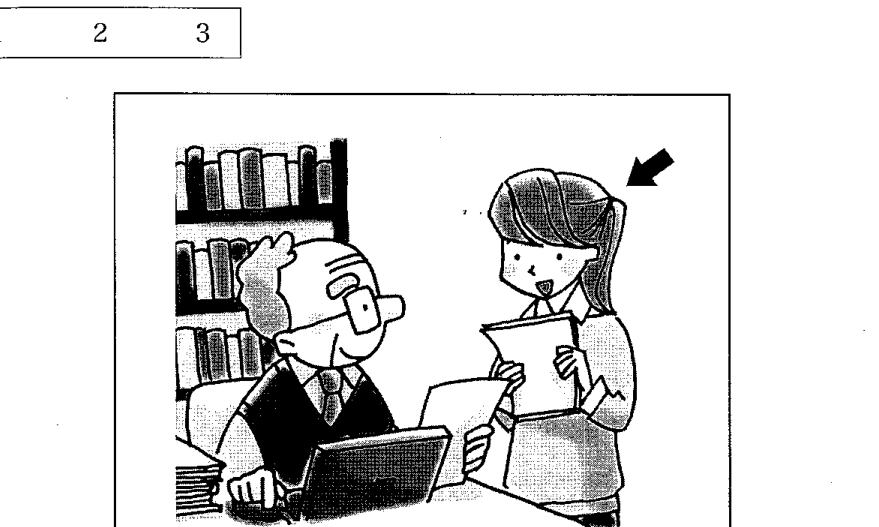
| (1) |
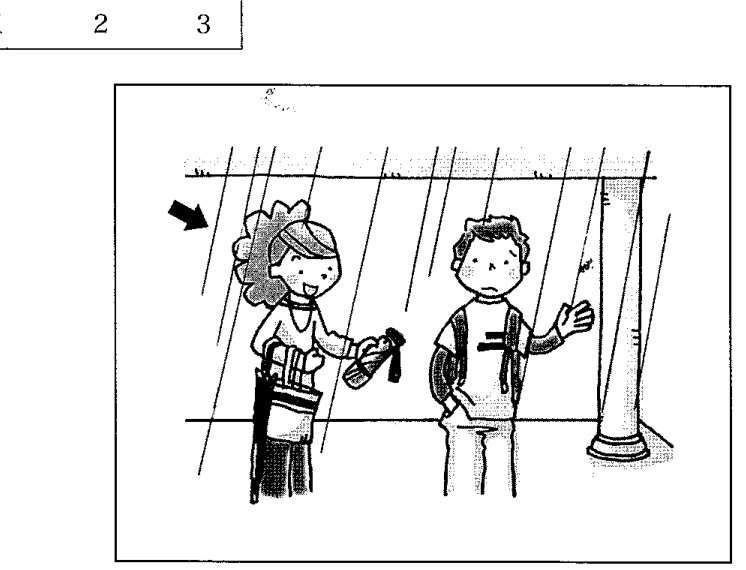
| (2) |
| 1 | 絵を見て、→の人と相手の関係(先生と学生/店員と客…)を確認する。 Look at the picture and identify the relation between the → person and the other party. |
|---|---|
| 2 | 状況説明文で「どちらがするか」を聞き取る。 Listen to the description to identify who performs the action. |
| 3 | 3 つの選択肢のうち、動詞の視点+文末(〜てもいい?/〜てもらえませんか/〜ましょうか)が状況と合うものを選ぶ。 Copyright notice ・ 復習が必要なところ Needs review and sentence ending matches the situation. |
The official answers for 確認問題 are in 別冊「解答とスクリプト」 (not included in the PDF).
答え一覧 ・ Answer sheet
Includes only sentences with a basis printed in the book (3 sets ドリル). 練習 1〜4 and 確認問題 belonging to 別冊「解答とスクリプト」.
| 問題 | 答え |
|---|---|
| 1 話す人 ・ 2 聞く人 ・ 3 話す人 ・ 4 聞く人 ・ 5 話す人 ・ 6 聞く人 ・ 7 話す人 ・ 8 聞く人 ・ 9 話す人 ・ 10 聞く人 | |
| 1 → 1 ・ 2 → 2 ・ 3 → 3 ・ 4 → 1 ・ 5 → 2 ・ 6 → 3 | |
| 1 → 2 ・ 2 → 1 ・ 3 → 3 ・ 4 → 1 ・ 5 → 2 ・ 6 → 1 ・ 7 → 2 ・ 8 → 2 ・ 9 → 1 ・ 10 → 2 | |
| 練習 1 〜 4 ・ 確認問題 | 別冊「解答とスクリプト」(PDF に付属せず)→ 自己採点をご利用ください |