世界経済フォーラム(WEF)は16日、2026年版の「ジェンダーギャップ報告書」を発表しました。調査対象となった145カ国のうち、日本は117位でした。
On the 16th, the World Economic Forum (WEF) released its 2026 Gender Gap Report. Japan ranked 117th among 145 countries surveyed.
日本の順位は前年の118位から1つ上昇したものの、主要7カ国(G7)の中では最下位にとどまりました。また、「東アジア・太平洋地域」でも下から3番目という低い水準です。
Although Japan's rank rose one spot from 118th last year, it remained the lowest among the Group of Seven (G7) countries. It also stayed at a low level in the East Asia and Pacific region, ranking third from the bottom.
この報告書は、教育・健康・政治・経済の4つの分野で男女平等の度合いを数値化しています。日本は教育と健康の面ではほぼ完全な平等を達成していますが、政治と経済の遅れが目立っています。
The report quantifies gender equality across four areas: education, health, politics, and economy. Japan has achieved near-total equality in education and health, but lags noticeably behind in politics and economy.
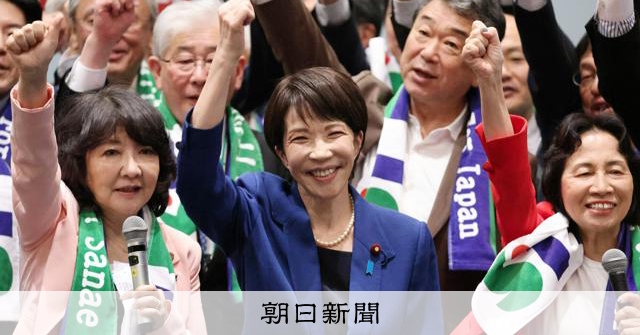
全体の達成率は67.0%で、前年から0.4ポイント改善しました。政治分野の達成率は10.5%に増加し、昨年10月に高市早苗氏が初の女性首相に就任したことが評価されました。
Japan's overall achievement rate was 67.0%, an improvement of 0.4 points from the previous year. The political score rose to 10.5%, credited to Sanae Takaichi becoming the country's first female prime minister last October.
しかし、この指数は過去50年間の行政府の長における男女の在任期間の比率から算出されるため、女性首相の誕生だけで順位が大きく跳ね上がることはありませんでした。
However, because this index is calculated based on the gender ratio of head-of-government tenure over the past 50 years, the debut of a female prime minister alone did not lead to a dramatic leap in ranking.