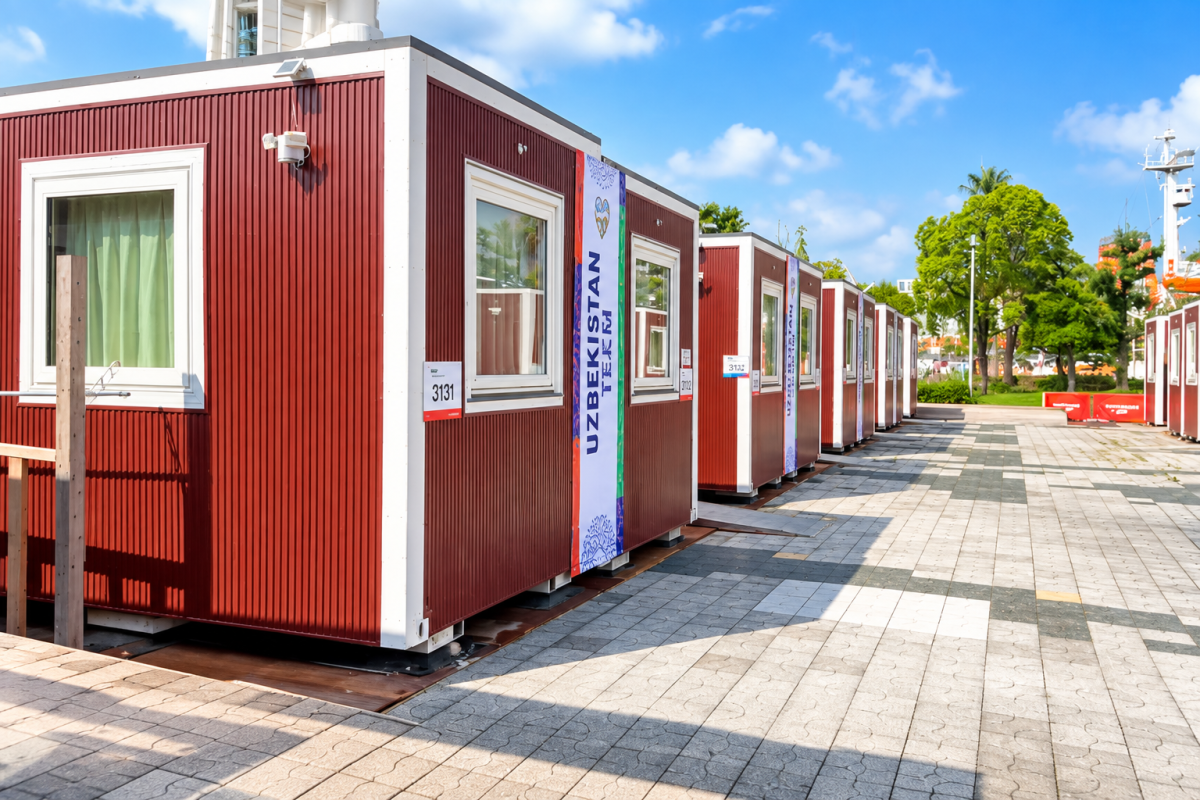
2026年9月、愛知・名古屋アジア競技大会で、宿泊や交通、人員登録などの運営に関する混乱が相次ぎ、準備不足を懸念する声が高まっています。中国メディアの報道によると、大会の基礎的な進行管理で多くの問題が発生しているとのことです。
In September 2026, a series of operational troubles involving accommodation, transportation, and personnel registration hit the Aichi-Nagoya Asian Games, raising growing concerns over a lack of preparation. According to Chinese media, numerous issues occurred in the basic management of the games.
愛知県の大村秀章知事は「簡素化」を掲げていましたが、選手の宿泊先が決まるのが遅れたり、送迎バスが間違った場所へ向かったりしました。さらに、韓国代表の試合前に誤って北朝鮮の国歌が流されるなど、深刻な失態が重なりました。
Governor Hideaki Omura of Aichi Prefecture had advocated a "simplification" model, but delays in assigning athlete accommodation and shuttle buses taking wrong routes occurred repeatedly. Even worse, playing the North Korean national anthem by mistake before a South Korean team match highlighted embarrassing operational blunders.
競技団体の関係者からは、事前準備や全体計画のずさんさを指摘する厳しい声が上がっています。日本の国際的な信用が低下し、今後の大規模な大会の誘致に悪影響を与える恐れがあると批判されています。
Officials from sports organizations voiced harsh criticism regarding the sloppy advance preparations and overall planning. They warned that this could damage Japan's international credibility and adversely affect future bids for major events.
今回の組織委員会には、過去の汚職事件の影響で電通などの大手広告代理店が関与せず、自治体が主導して設立されました。しかし、大規模イベントの運営に関する経験不足が露呈し、スムーズな進行を妨げる結果となりました。
Due to past bribery scandals, the organizing committee was established under local government leadership without the involvement of major advertising agencies like Dentsu. However, a lack of experience in managing large-scale events was exposed, hindering smooth operations.
さらに、コスト削減を目指す愛知県側と、高い大会規格を求めるアジア・オリンピック評議会(OCA)との間で対立が続きました。削減すべき項目を巡る交渉が難航し、準備の遅れや現場での混乱を招く大きな要因となりました。
Furthermore, ongoing friction between Aichi Prefecture, which sought to cut costs, and the Olympic Council of Asia (OCA), which demanded high tournament standards, proved to be a major factor. Intense negotiations over which items to cut led to delays and chaos on the ground.