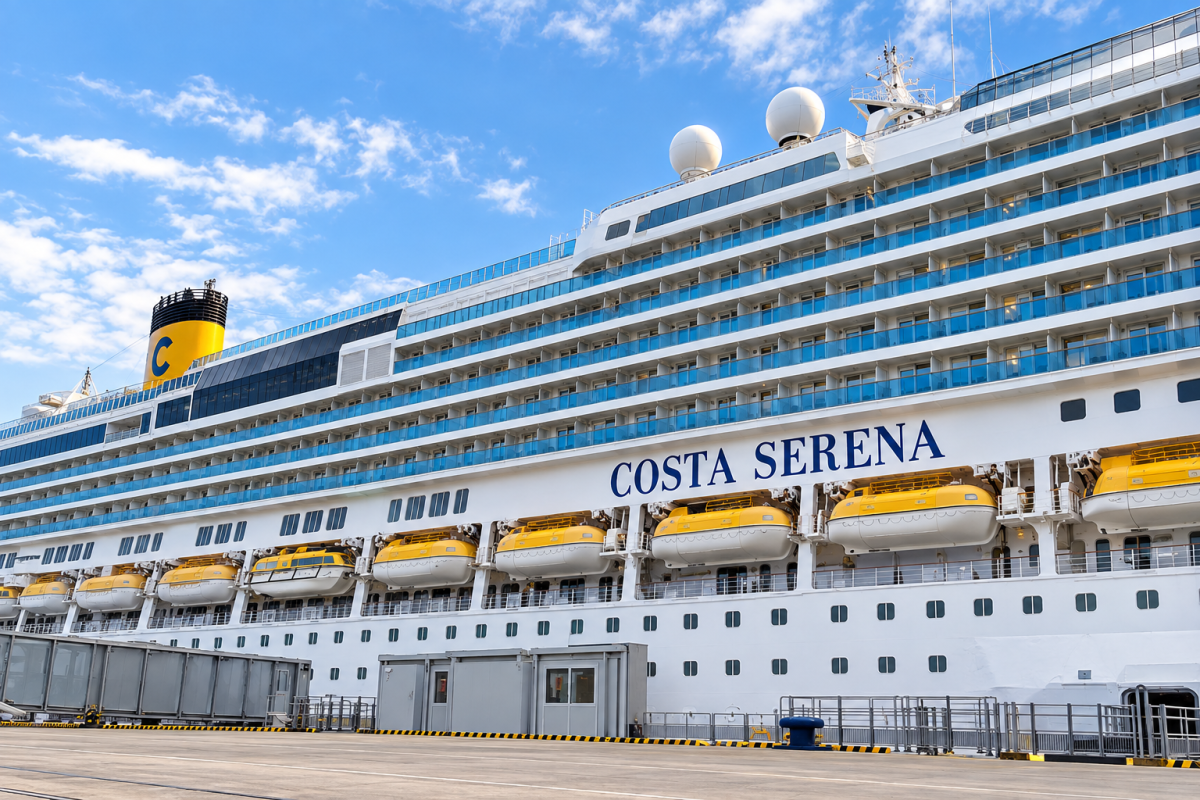
愛知県と名古屋市で開催されるアジア大会について、中国メディアは各国の選手団から不満の声が上がっていると報じました。中国代表が食材を自参したという情報はデマと確認されましたが、韓国やタイなどの選手からは宿泊場所の不足や水漏れ、ベッドの長さ不足などの問題が指摘されています。不満の背景には運営側の準備不足があります。
Regarding the Asian Games hosted in Aichi Prefecture and Nagoya City, Chinese media reported a series of complaints from participating delegations. Although rumors that the Chinese team brought their own food and water were confirmed false, athletes from South Korea, Thailand, and the Philippines reported issues such as housing shortages, water leaks, and beds being too short. Insufficient preparation by the organizers lies behind these complaints.
大会の準備不足が生じた最大の理由は、予算管理の失敗にあると分析されています。愛知県は当初、運営費を850億円に抑える簡素な大会を計画していました。しかし、参加人数が1万5000人から1万7000人に増えたことや、日本国内のインフレおよび円安の影響により、費用が急激に高騰しました。
The primary reason for the inadequate preparation is cited as a failure in budget management. Aichi Prefecture initially planned a modest tournament capped at 850 billion yen. However, the number of participants rose from 15,000 to 17,000, and combined with domestic inflation and the weak yen, costs skyrocketed rapidly.
予算不足に対応するため、主催者は一箇所に集約する選手村の建設を取りやめ、クルーズ船やコンテナ型の仮設施設、複数のホテルに分散させる方式に変更しました。しかし、この変更によって移動の送迎や警備などの追加費用がかさむ結果となりました。最終的な予算は2400億円に膨らみ、アジア大会史上最大の増加幅を記録しました。
To cope with budget shortages, organizers canceled the construction of a single Athletes' Village, switching to a combination of cruise ships, container-type temporary housing, and scattered hotels. However, this change led to ballooning additional costs for transport and security across multiple hubs. The final budget swelled to 240 billion yen, marking the largest budget increase in Asian Games history.
支出が増大する一方で、収入面の伸び悩みも深刻な問題となっています。共同通信によると、8月下旬時点の入場券の販売数は約70万から80万枚にとどまり、当初目標に掲げていた230万枚を大幅に下回っています。特に野球や柔道、女子サッカーなどの競技でチケットの売れ行きが低迷しています。
While expenses mounted, revenue side stagnation also poses a severe problem. According to Kyodo News, as of late August, ticket sales remained around 700,000 to 800,000, far below the initial target of 2.3 million tickets. Sales have been particularly sluggish in sports such as baseball, judo, and women's football.
かつて信じられていた「大型スポーツ大会を開催すれば地域経済が活性化する」という考え方は崩れつつあります。期待された経済効果が得られないまま、分散開催によって費用がかさみ、結果として地方財政の重い負担となるリスクが浮き彫りになっています。
The long-held belief that hosting major sports events stimulates local economies is crumbling. When expected economic benefits fail to materialize, dispersed venues add costs instead, heightening the risk of becoming a heavy financial burden on local governments.