「日本は他国からどう見られるかより、まず国内の平穏を重視し始めたのではないか」。2026年の外国人政策をめぐって、こうした見方が語られることがあります。実際、高市早苗政権は外国人受け入れを全面的に否定しているのではなく、秩序、法令順守、社会への適応をより強く求める方向を打ち出しています。ただし、「共生から秩序へ完全に転換した」と断定するより、政府自身が使う「秩序ある共生」という表現で捉える方が正確です。
“Is Japan beginning to value domestic calm more than how it appears to the outside world?” That is one interpretation now heard in discussions of Japan’s 2026 foreign-resident policy. In practice, Prime Minister Sanae Takaichi’s government has not rejected foreign residents outright; it has placed greater emphasis on order, compliance with rules and adaptation to Japanese society. Rather than describing this as a complete shift “from coexistence to order,” the government’s own phrase — “orderly coexistence” — is more accurate.
背景には、外国人住民の急増があります。出入国在留管理庁によると、2025年末の在留外国人は412万5,395人で、初めて400万人を超え、過去最高となりました。一方、日本では少子高齢化と人手不足が続いており、外国人材を必要とする産業があることも政府は明確に認めています。そのため、論点は「受け入れるか、受け入れないか」という二者択一ではなく、どの規模で、どの条件で、どのように地域社会へ統合していくかに移っています。
A key backdrop is the rapid increase in foreign residents. According to Japan’s Immigration Services Agency, the number reached 4,125,395 at the end of 2025, exceeding four million for the first time and setting a record. At the same time, Japan continues to face population ageing and labour shortages, and the government explicitly acknowledges that some industries need foreign workers. The debate has therefore shifted from a simple “accept or reject” question to the scale, conditions and methods of social integration.
2026年1月、政府は「外国人の受入れ・秩序ある共生のための総合的対応策」を決定しました。そこでは、一部の外国人による違法行為やルールからの逸脱に対する国民の不安、不公平感に対応するとしています。同時に政府は、ルールを守る大多数の外国人が暮らしにくくなる状況は避けるべきだとし、排外主義とは一線を画す姿勢も明記しています。つまり政策の公式な枠組みは、締め付けだけではなく「安全・安心」と共生を同時に追求するものです。
In January 2026, the Japanese government adopted a comprehensive policy for the “acceptance of foreign nationals and orderly coexistence.” It said the policy would address public anxiety and perceptions of unfairness arising from illegal acts or rule-breaking by a portion of foreign residents. At the same time, the government stated that law-abiding foreign residents should not be made to feel unwelcome and explicitly sought to distinguish the policy from xenophobia. The official framework is therefore not simply about tightening controls, but about combining safety, order and coexistence.
具体策も進んでいます。政府は帰化について、必要な在留期間を10年に引き上げるなど要件を厳格化する方向を示し、「不法滞在者ゼロプラン」の強化も公表しました。また、特定技能制度と育成就労制度では分野ごとの受入れ見込み数を設定し、量的管理を行う方針です。さらに、2026年10月1日から在留資格変更・更新・永住許可などの手数料が改定されます。
Concrete measures are also moving forward. The government has indicated tighter naturalization requirements, including raising the required period of residence to ten years, and has announced a strengthened package under its “zero illegal overstayers” plan. For the Specified Skilled Worker and Employment-for-Skill-Development systems, intake projections are being set by sector as a form of quantitative management. From October 1, 2026, fees for procedures including changes and extensions of residence status and permanent-residence permission will also be revised.
ただし、永住許可については注意が必要です。2026年2月改訂のガイドラインでは、原則10年以上の在留、安定した生計、納税・年金・医療保険などの公的義務の適切な履行などが求められています。一方、一般の永住許可要件として「日本語能力」が新たに一律必須になったとは、現行ガイドラインには書かれていません。政府は外国人が日本語や制度・ルールを学ぶ学習プログラムを検討していますが、これは永住要件そのものとは区別して見る必要があります。
Permanent residence requires a separate clarification. The guideline revised in February 2026 generally requires at least ten years of residence, a stable livelihood, and proper fulfilment of public obligations such as taxes, pension contributions and health-insurance payments. However, the current guideline does not state that Japanese-language ability has become a new universal requirement for all permanent-residence applications. The government is considering programs to help foreign residents learn Japanese and understand Japanese rules and institutions, but that should be distinguished from the legal requirements for permanent residence itself.
この政策を「外国人を減らすことだけが目的」と見るのも正確ではありません。政府は、労働力を必要とする分野では外国人材の受入れを続ける一方、制度の適正化や量的管理を重視しています。生活費上昇や社会保障への不安が続く中、負担と利益が公平に配分されているのかという議論が強まりやすいのは事実ですが、内閣支持率の高さをそのまま外国人政策への支持率と読み替えることはできません。政策評価には、個別の世論調査を確認する必要があります。
It is also inaccurate to treat the policy as being solely about reducing the number of foreigners. The government continues to accept foreign workers in sectors facing labour shortages while placing greater emphasis on system integrity and quantitative management. With living costs high and concern about social-security burdens, debates over whether costs and benefits are shared fairly can intensify. But a cabinet’s overall approval rating cannot automatically be treated as public support for a specific foreign-resident policy; that requires issue-specific polling.
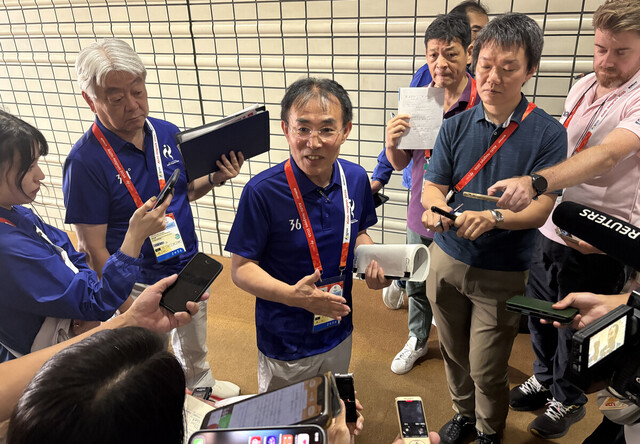
愛知・名古屋2026アジア大会では、選手の宿泊施設や輸送、登録手続などをめぐる不満が一部の選手団から出ました。専用の選手村を建設せず、ホテル、クルーズ船、コンテナ型の施設などを活用したことについても議論が起きています。主催者側はコストや持続可能性を重視したと説明し、食事や宿泊への批判にも改善対応を進めるとしています。一方、IOC会長は現地視察後、施設について肯定的な評価も示しており、評価は一様ではありません。
At the Aichi-Nagoya 2026 Asian Games, some delegations complained about accommodation, transport and registration procedures. The decision not to build a dedicated athletes’ village — instead using hotels, a cruise ship and container-style units — also generated debate. Organizers said the approach reflected cost and sustainability considerations and promised to address complaints about lodging and food. Conversely, the IOC president gave a positive assessment of some facilities after an inspection, showing that views of the arrangements are not uniform.
ここで重要なのは、大会運営の問題と外国人政策を直接結び付ける根拠は、現時点で公表資料からは確認できないことです。「外国からよく見られるための華やかさより、国内の安定を優先している」という読み方は、政治的・社会的な解釈としては成り立ちますが、主催者が意図的に大会の質を落としたという事実を示すものではありません。確認できるのは、コスト削減、施設の再利用、参加者数や物流上の課題が運営に影響したという点です。事実と評論を区別して読む必要があります。
The important point is that there is currently no public evidence directly linking the Asian Games’ operational problems to Japan’s foreign-resident policy. The idea that Japan is “prioritizing domestic stability over polishing its international image” can exist as a political or social interpretation, but it does not prove that organizers intentionally lowered the quality of the event. What can be verified are factors such as cost reduction, reuse of facilities, participant numbers and logistical pressures. Facts and commentary should therefore be kept distinct.
2026年の日本から見えるのは、「閉鎖」よりも選別と統制を強める方向です。必要な外国人材は受け入れるが、法令順守、税・社会保険、在留資格、地域社会への適応をより厳格に確認する。その方向を「安心を守るための現実的な調整」と評価する人もいれば、外国人への負担や社会の閉鎖性を強めると懸念する人もいます。少なくとも政府が掲げているのは、「外国人を排除する日本」ではなく、ルールを前提とした共生社会です。その政策が実際に公平で持続可能な形になるかどうかは、今後の運用と検証にかかっています。
What stands out in Japan in 2026 is not complete closure but stronger selection and control. Japan continues to accept foreign workers where they are needed, while more closely checking compliance with law, taxes and social insurance, residence status and adaptation to local communities. Some view this as a practical adjustment to preserve public confidence and safety; others worry that it may increase burdens on foreign residents and make society less open. Officially, at least, the government’s stated objective is not “a Japan that excludes foreigners,” but a rules-based society of coexistence. Whether that policy becomes fair and sustainable will depend on how it is implemented and evaluated in the years ahead.